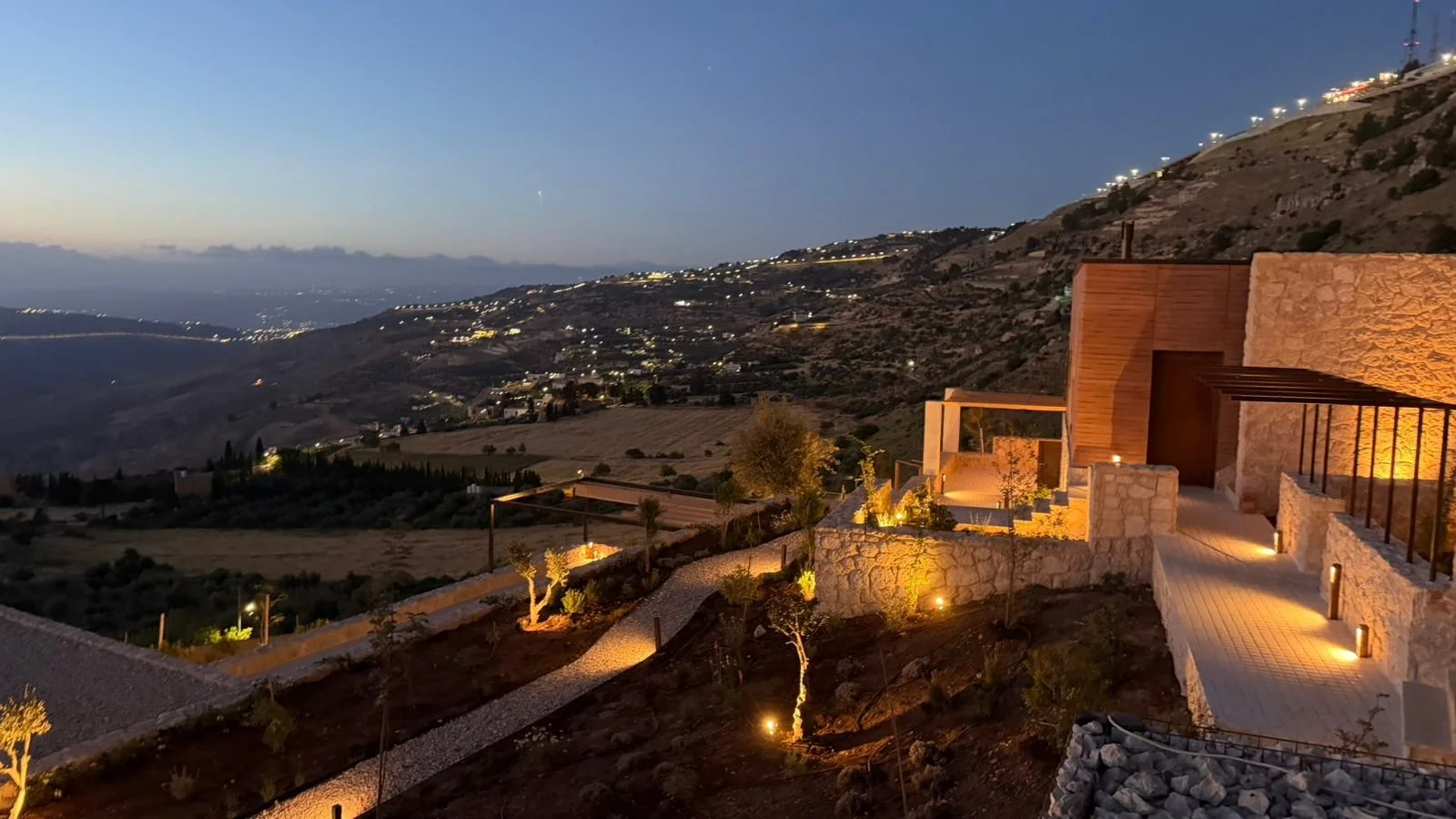
Private Farmhouse Renovation
As-Salt, Jordan
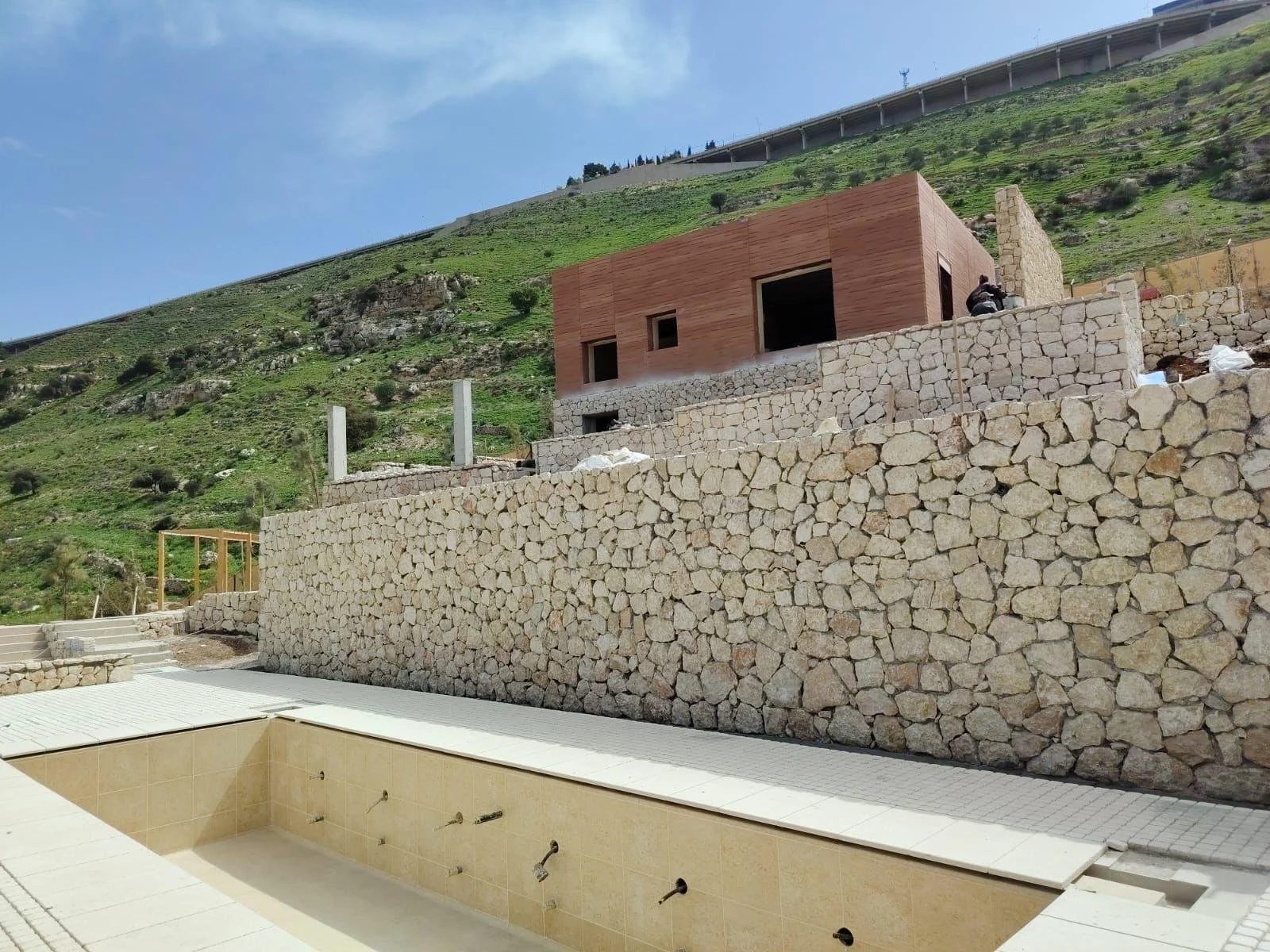
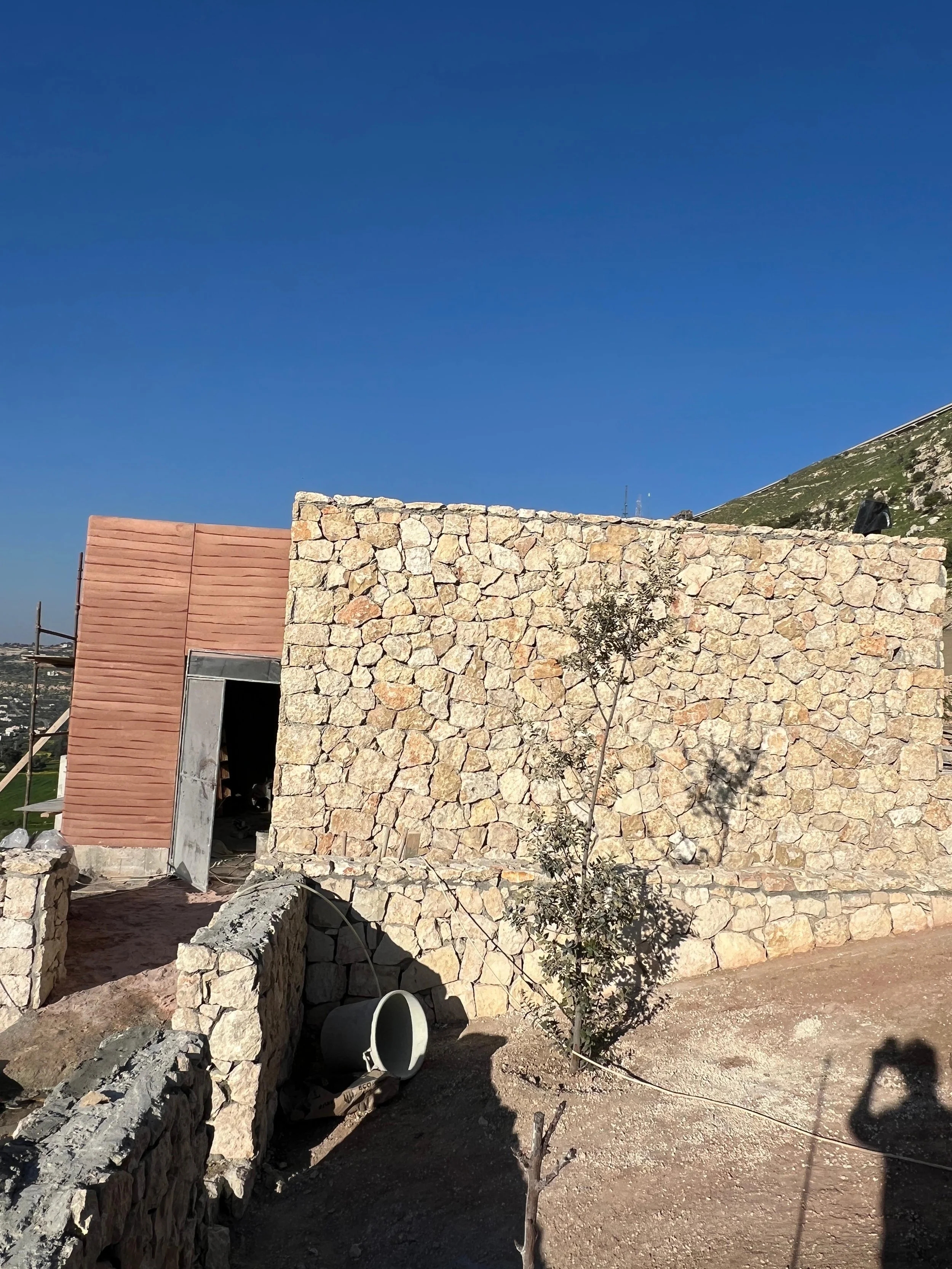
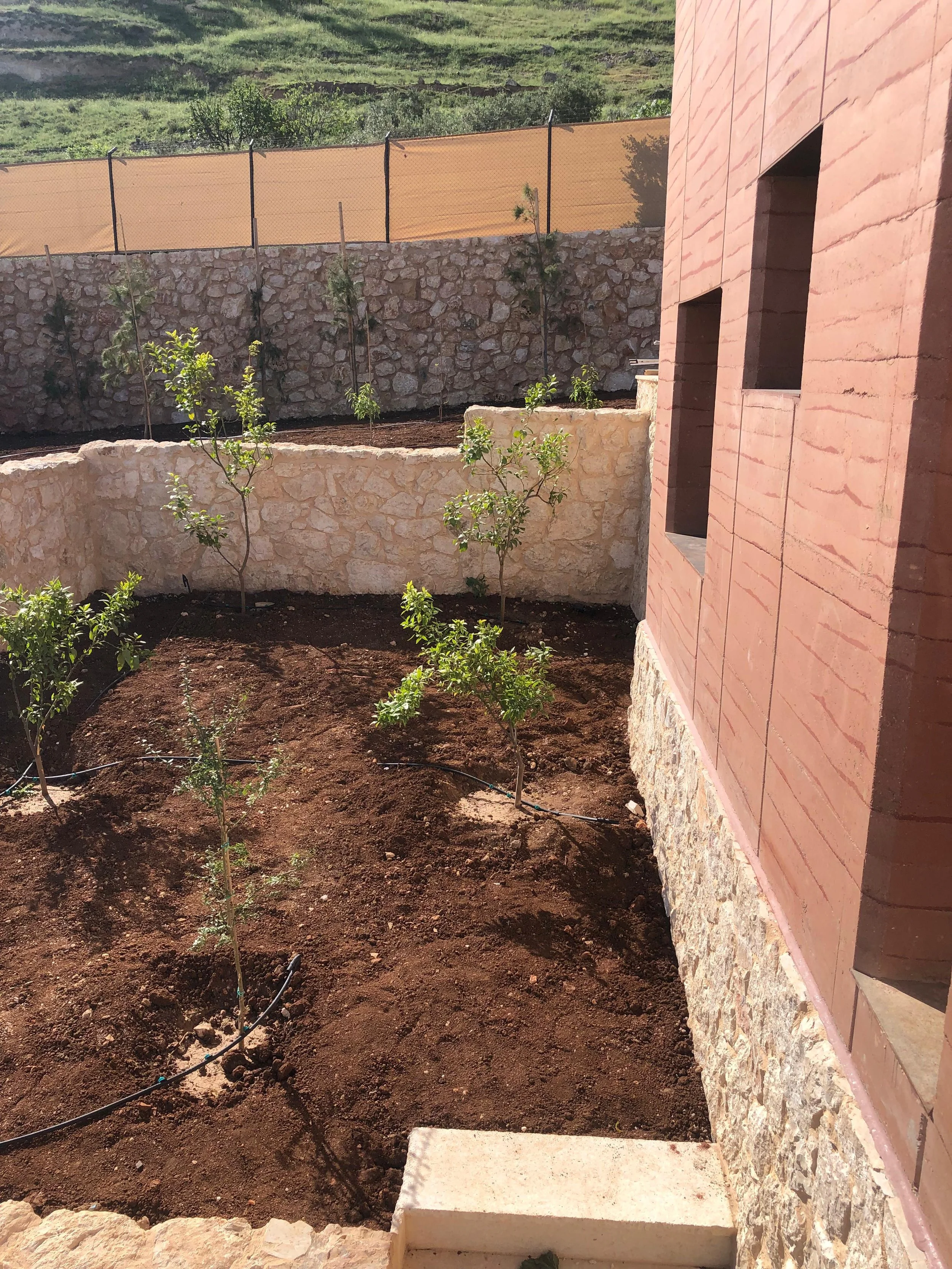
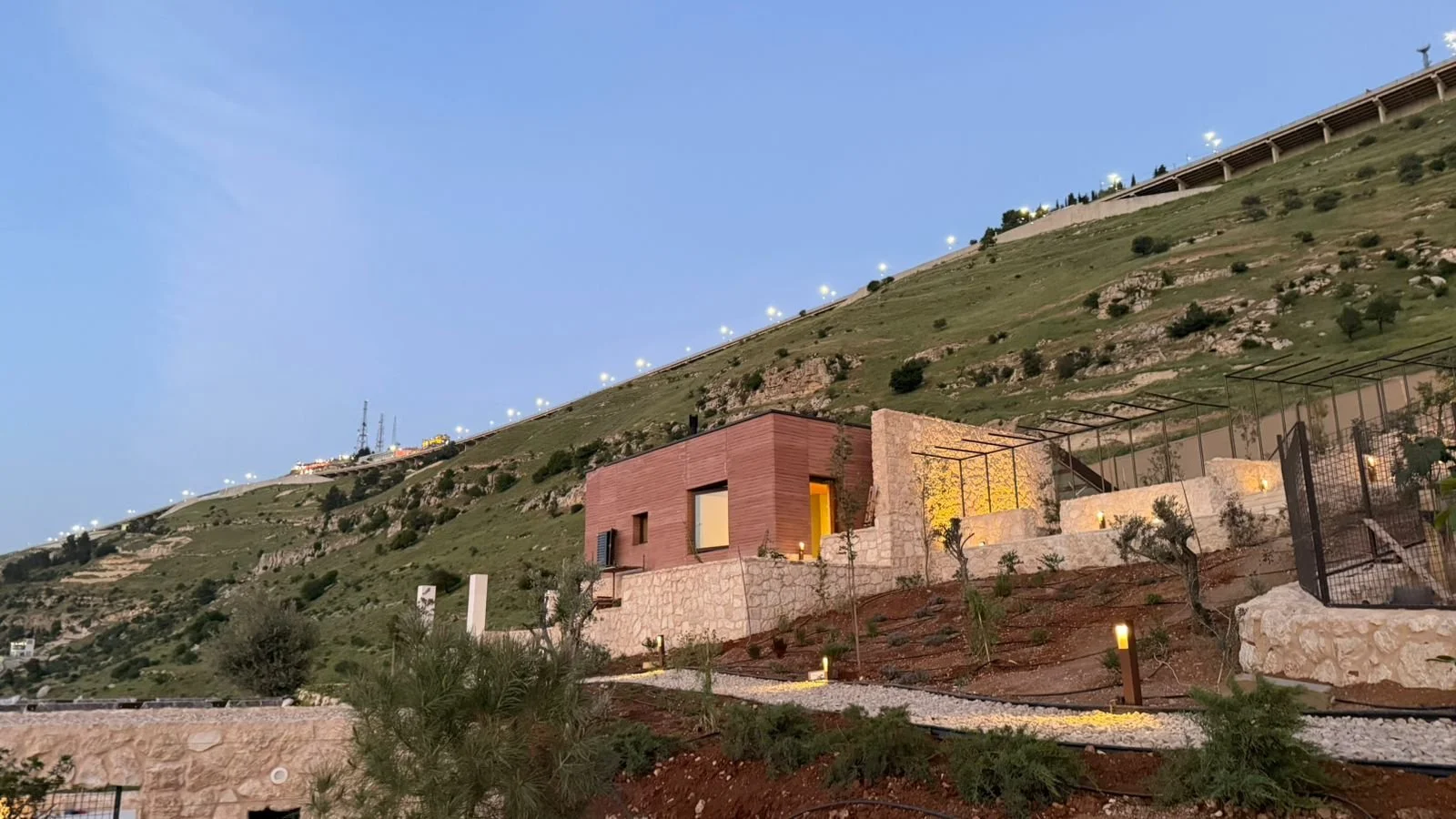
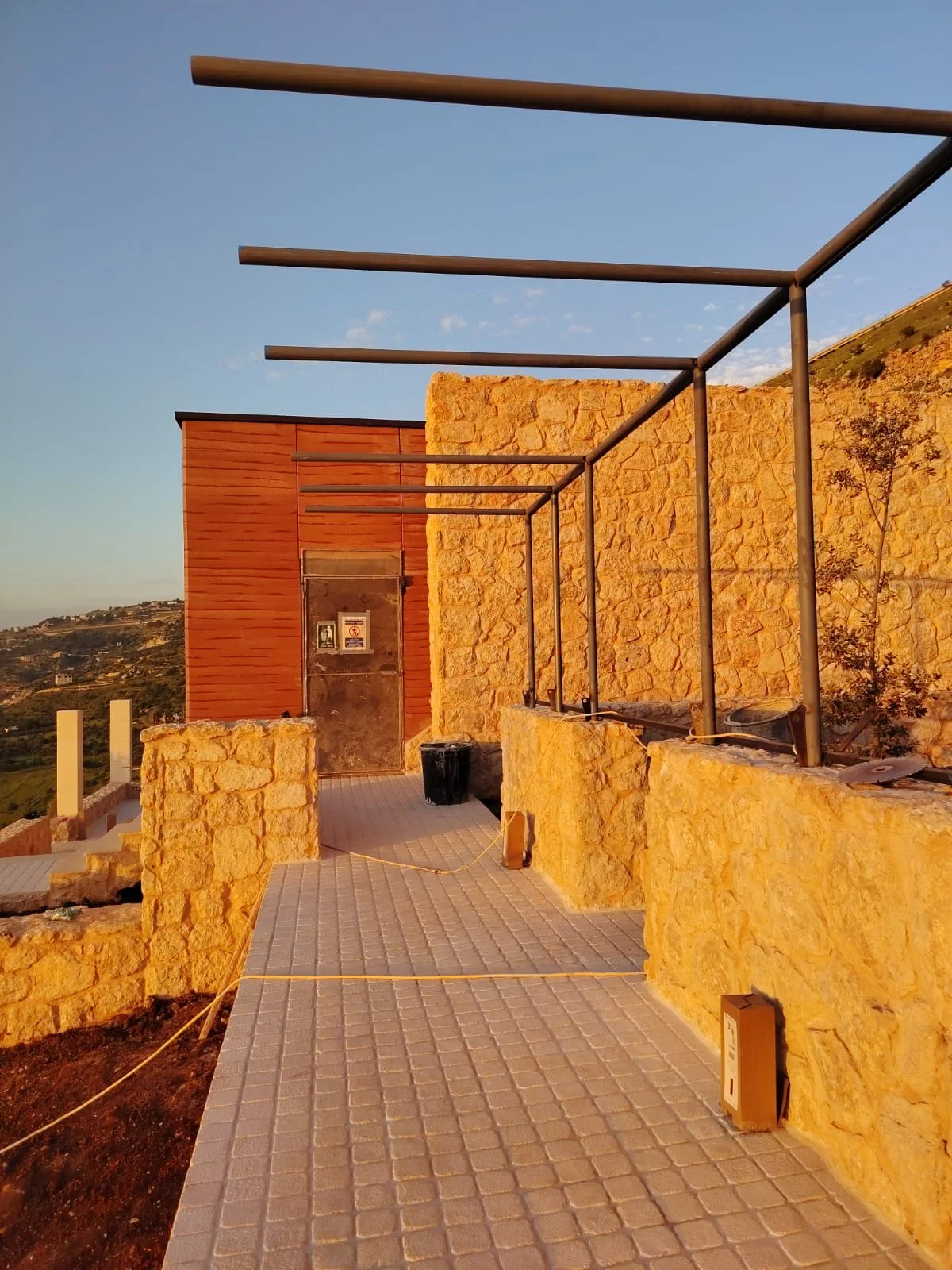
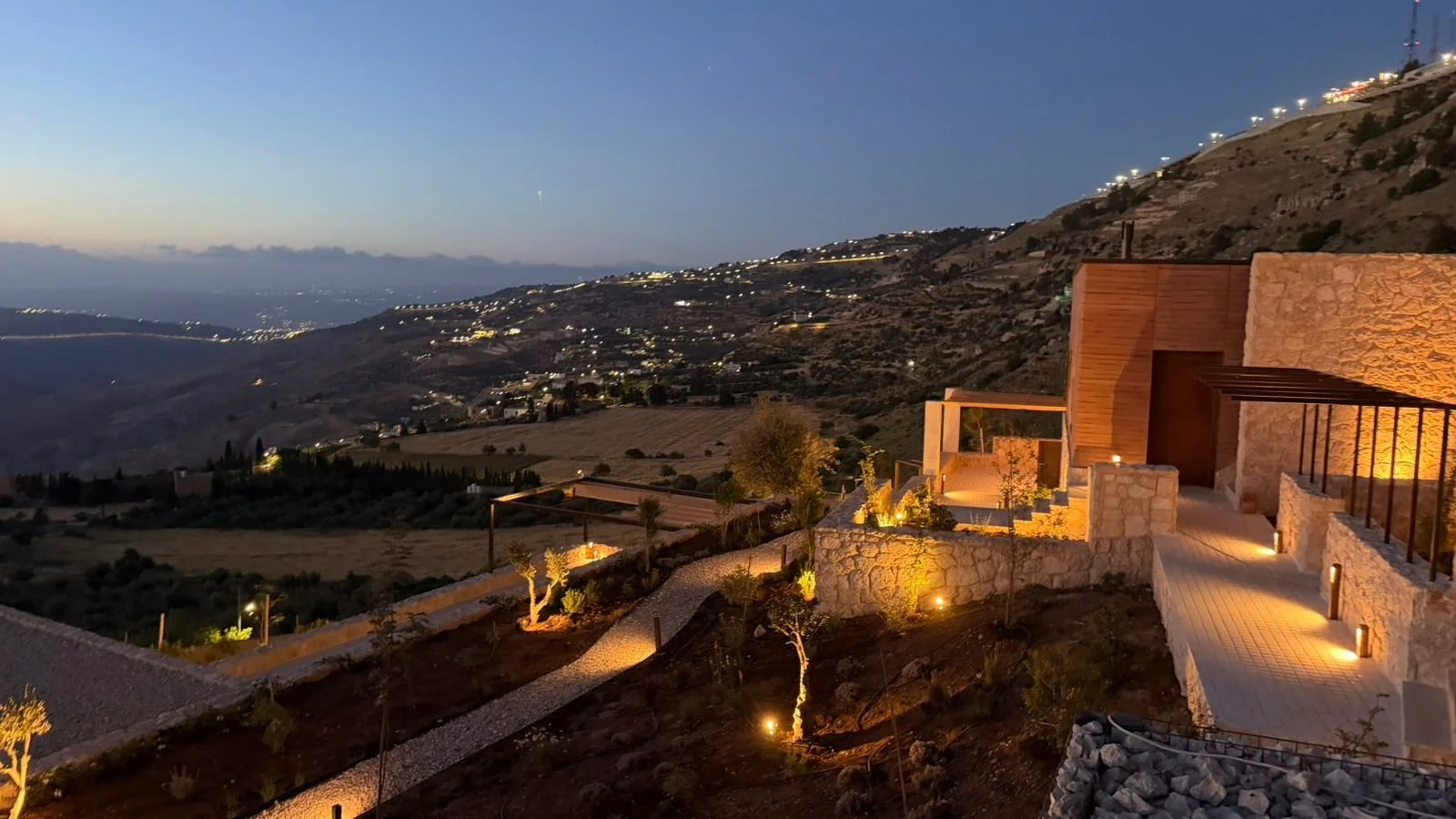
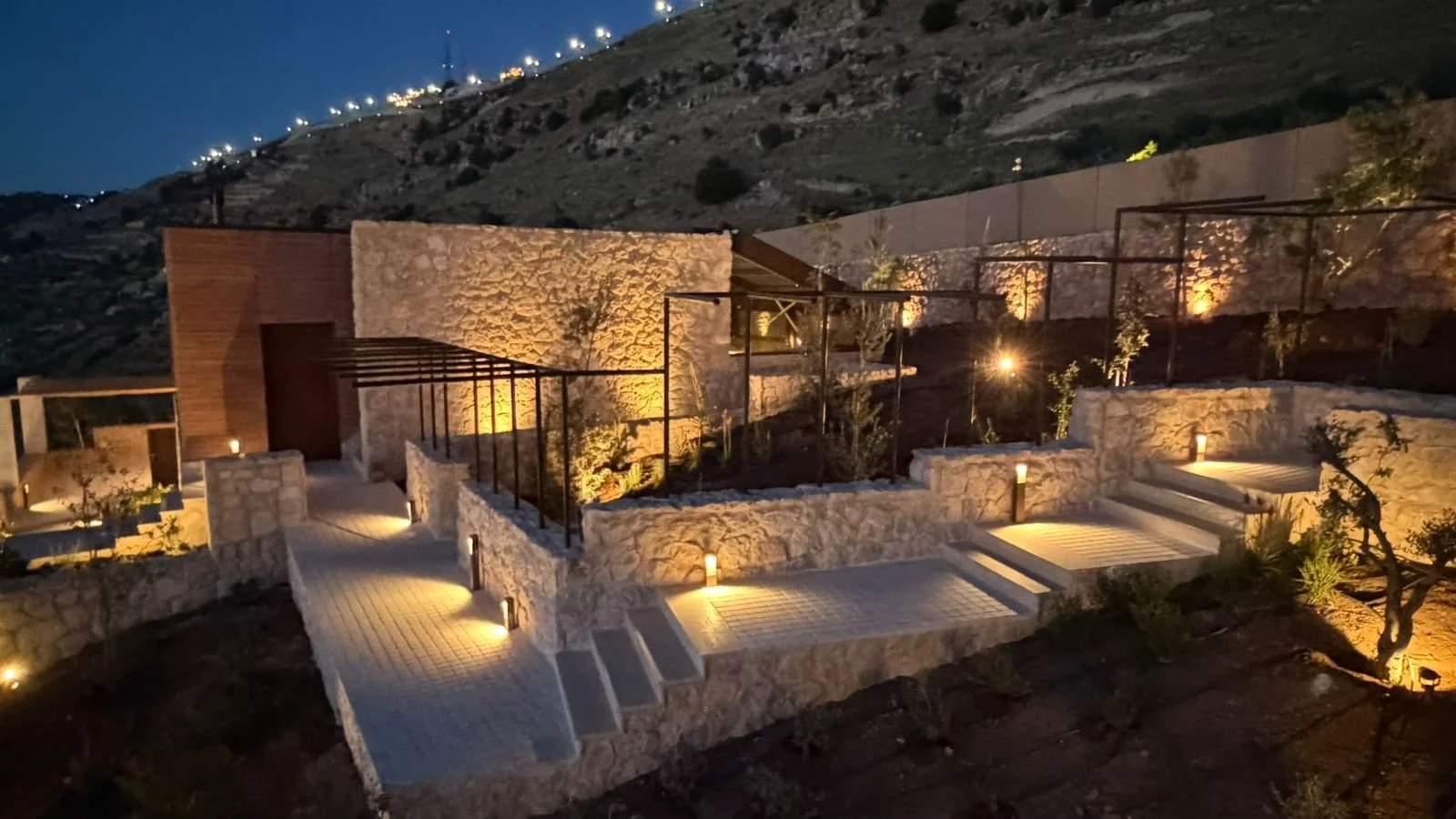
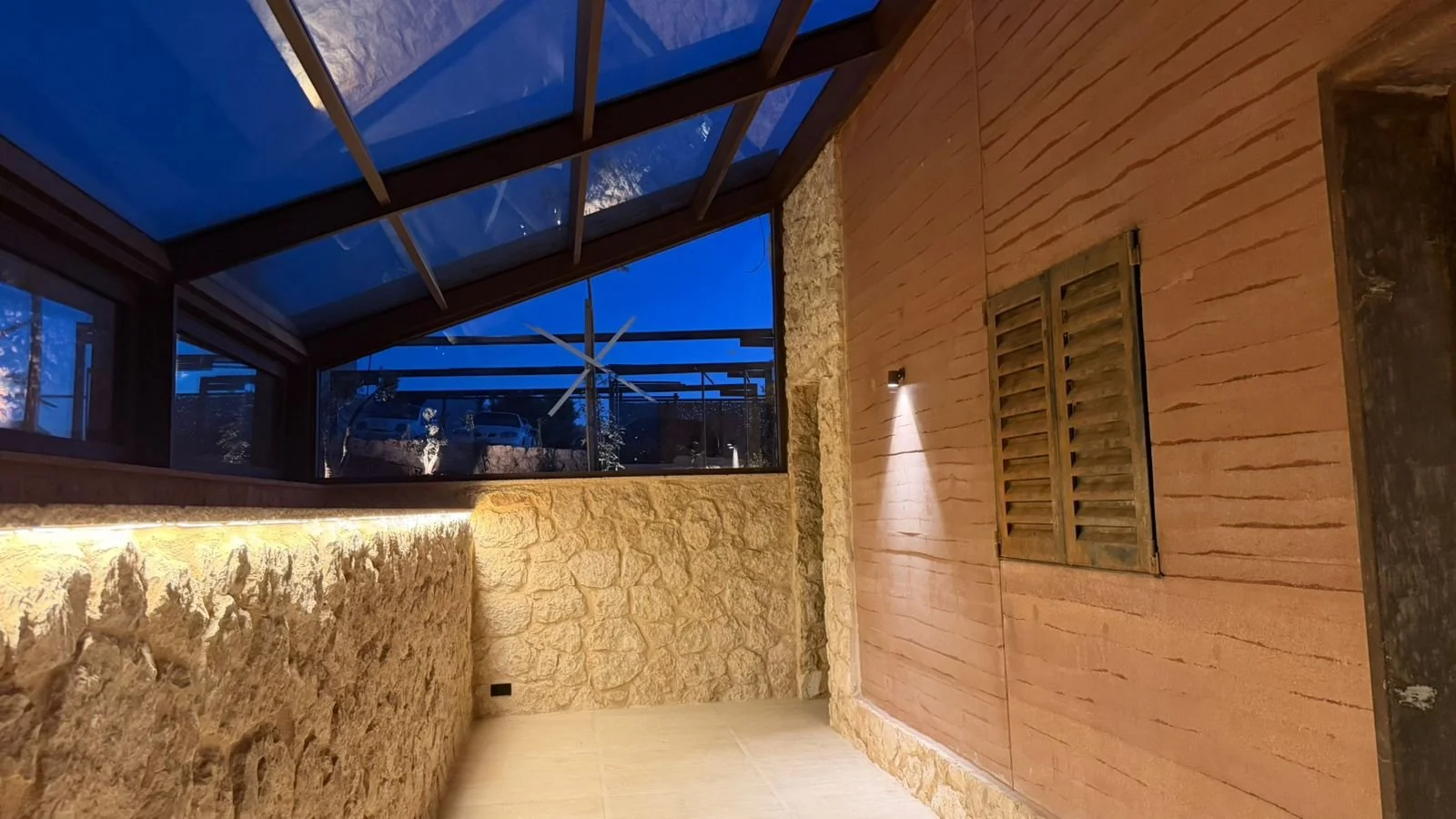
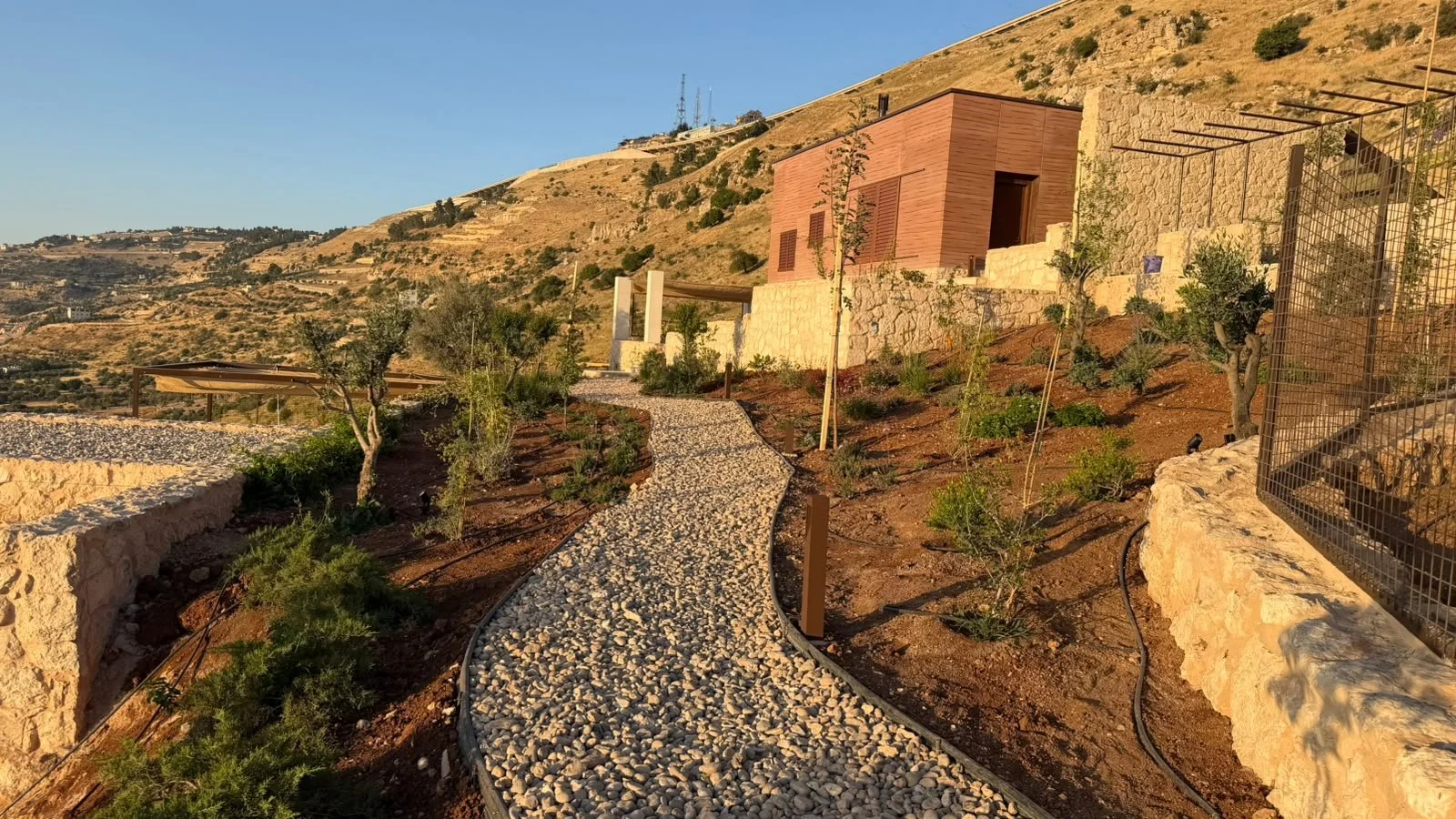
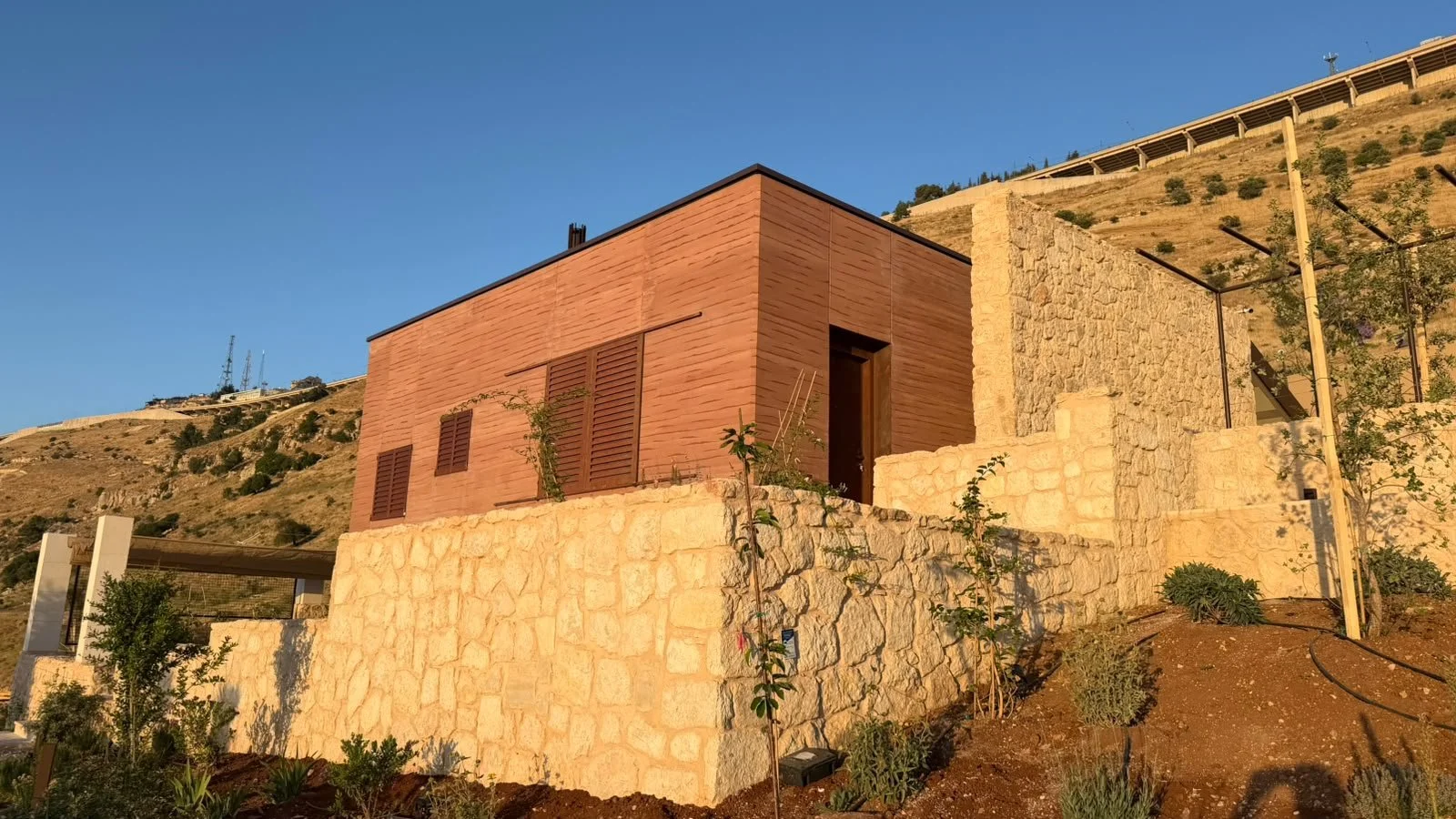
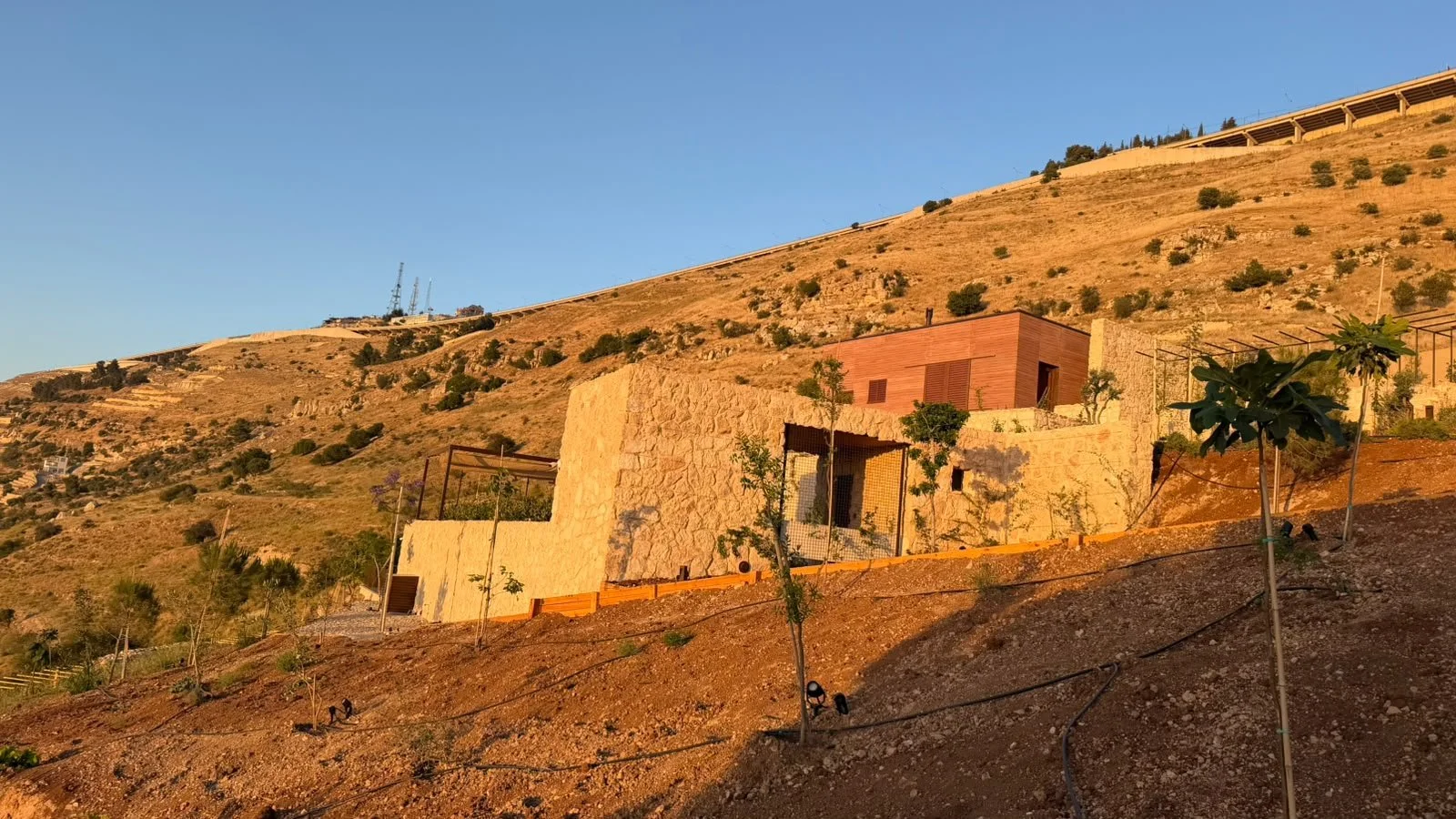
This project involved the renovation of a private farmhouse in As-Salt, where traditional materials were reintroduced within a contemporary architectural framework. At its core, the project explores the renewed potential of earth as a viable, high-performance building material, bridging inherited knowledge with present-day construction practices.
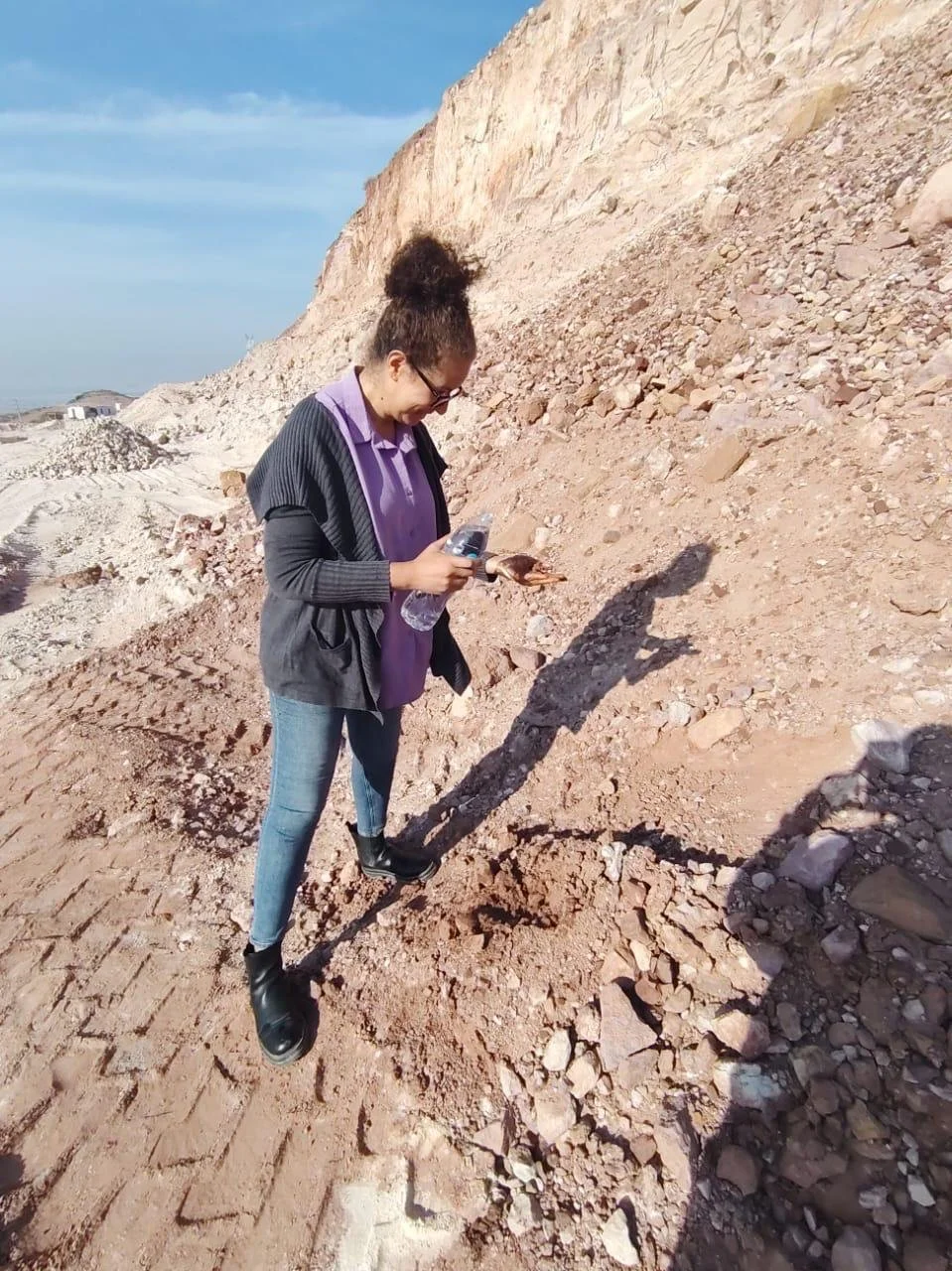
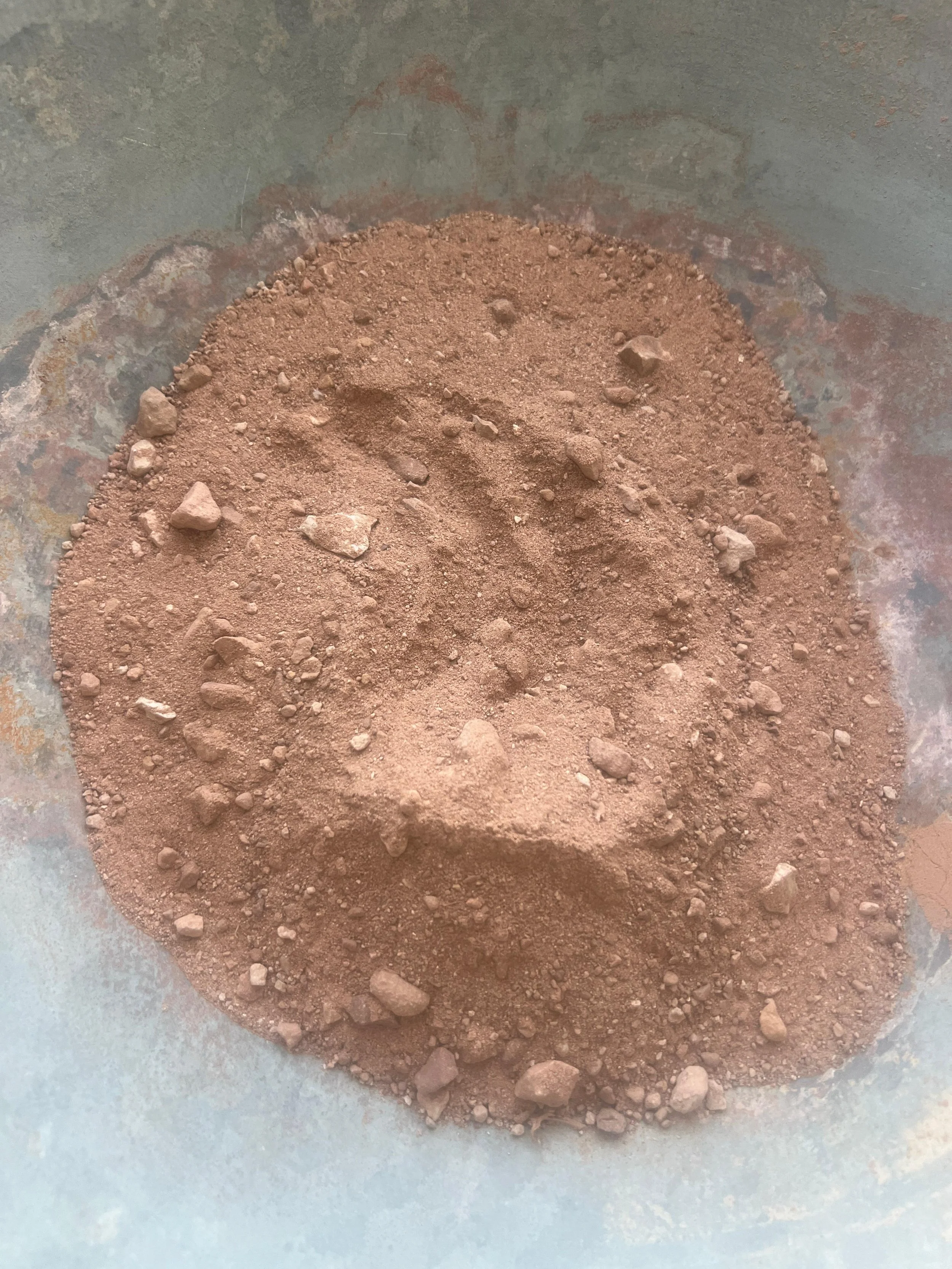
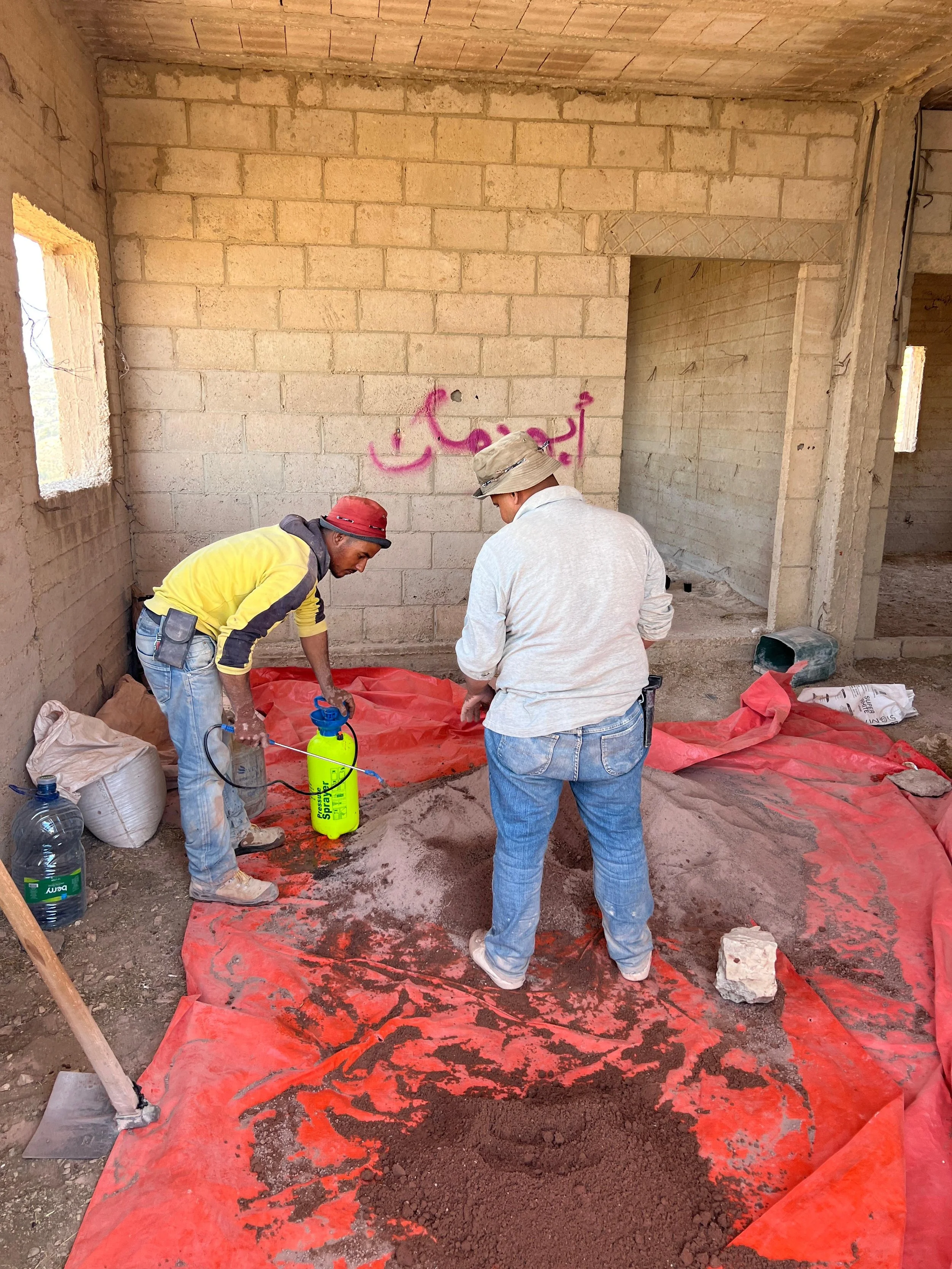
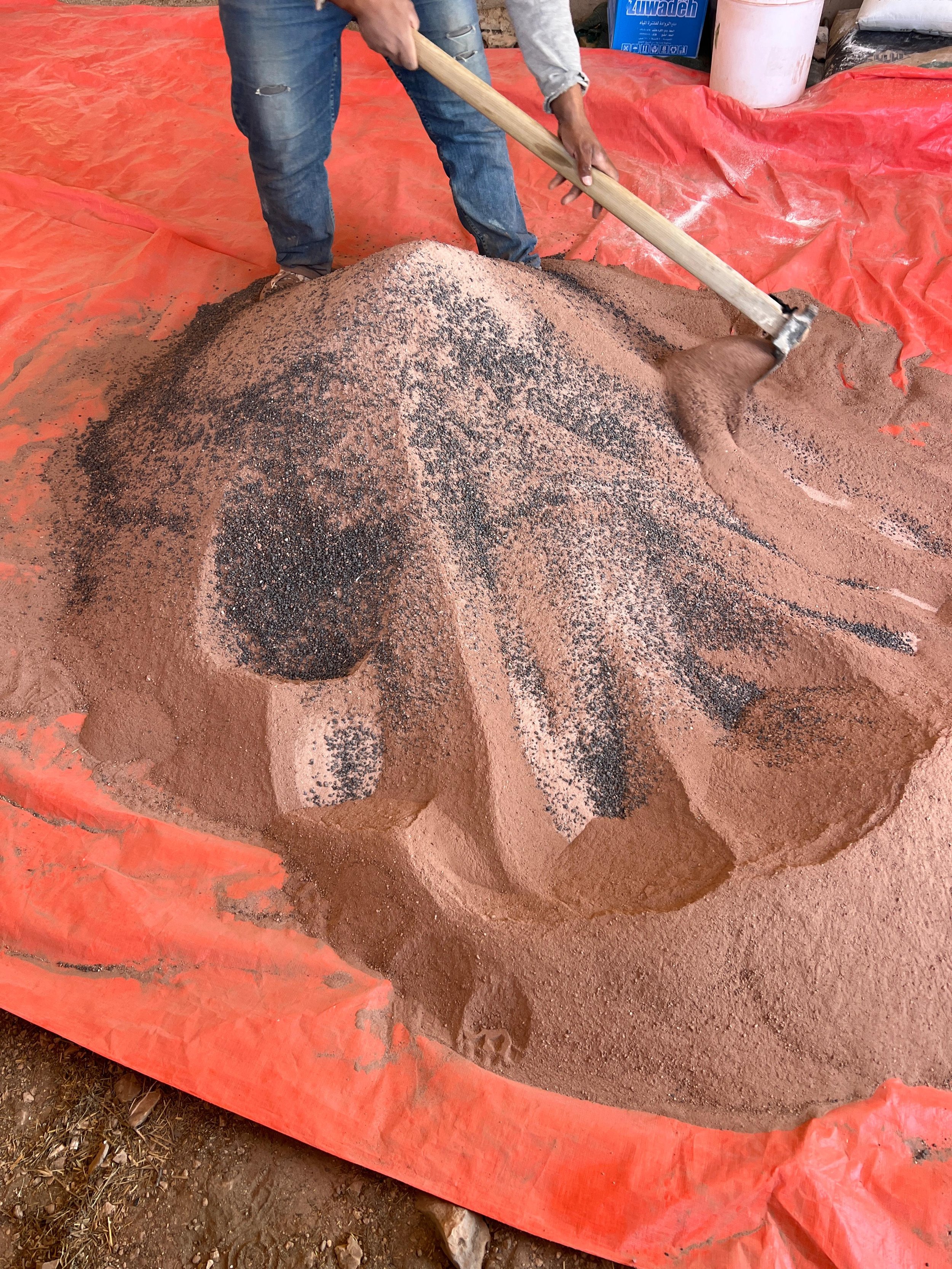
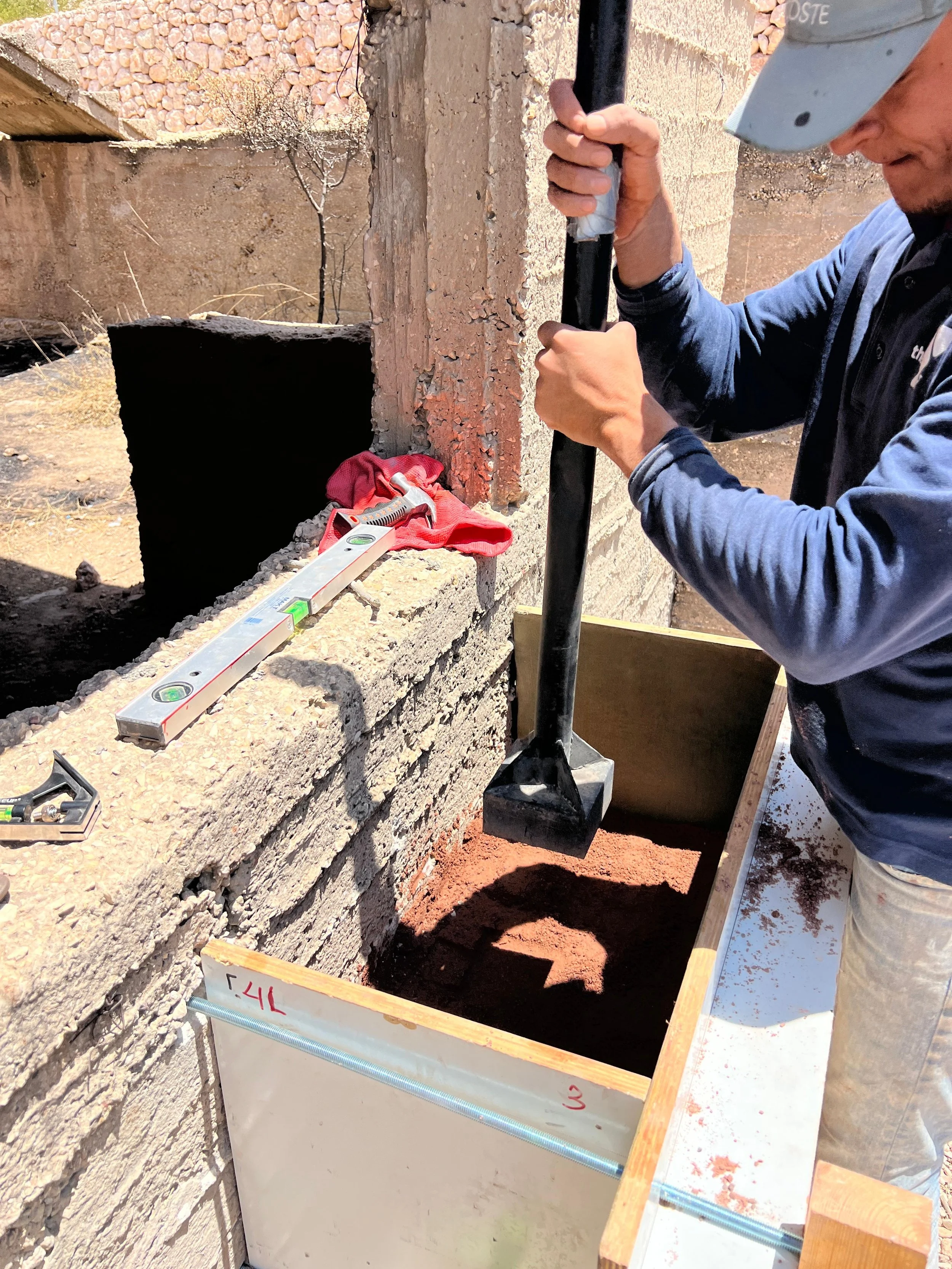
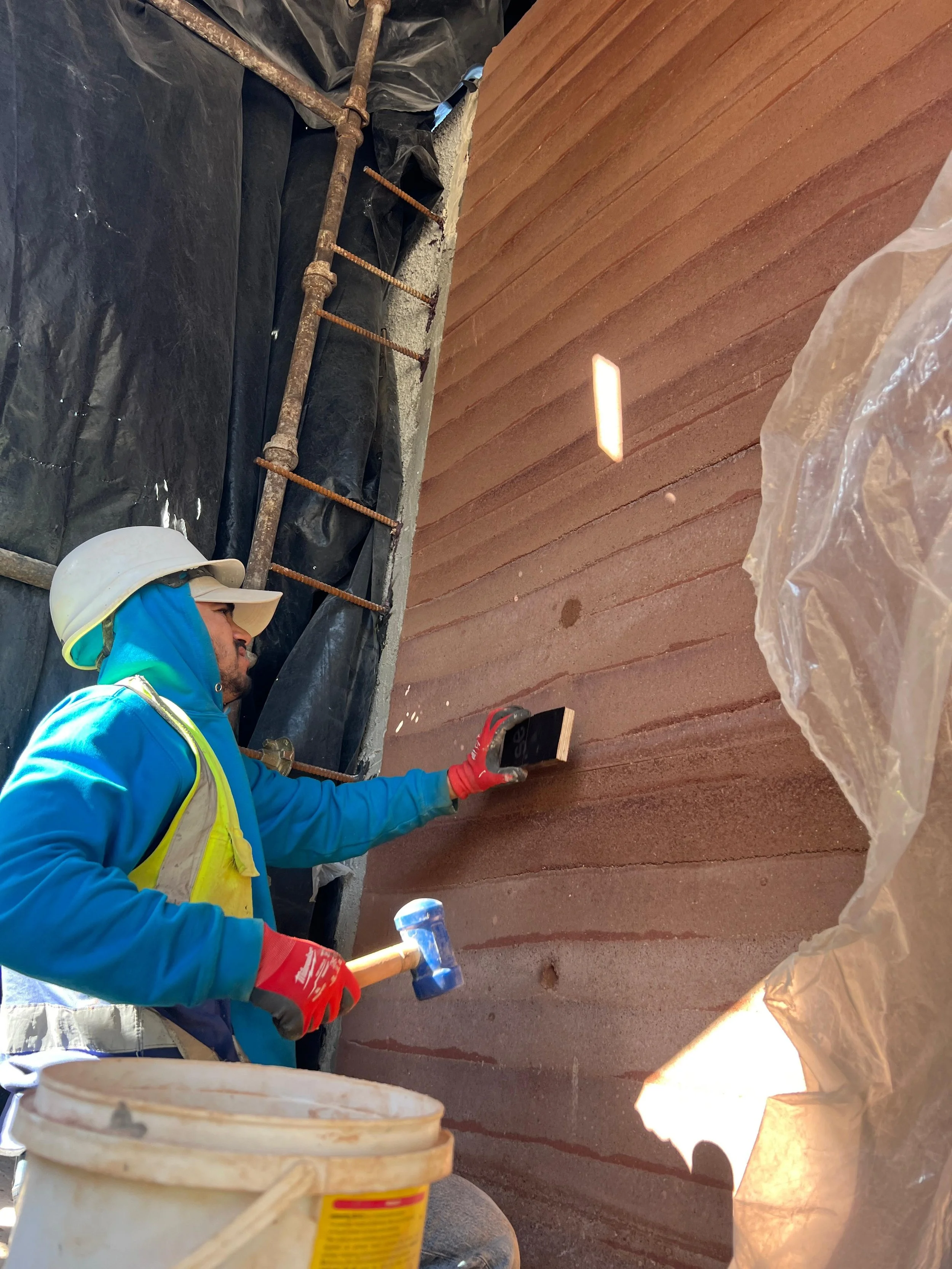
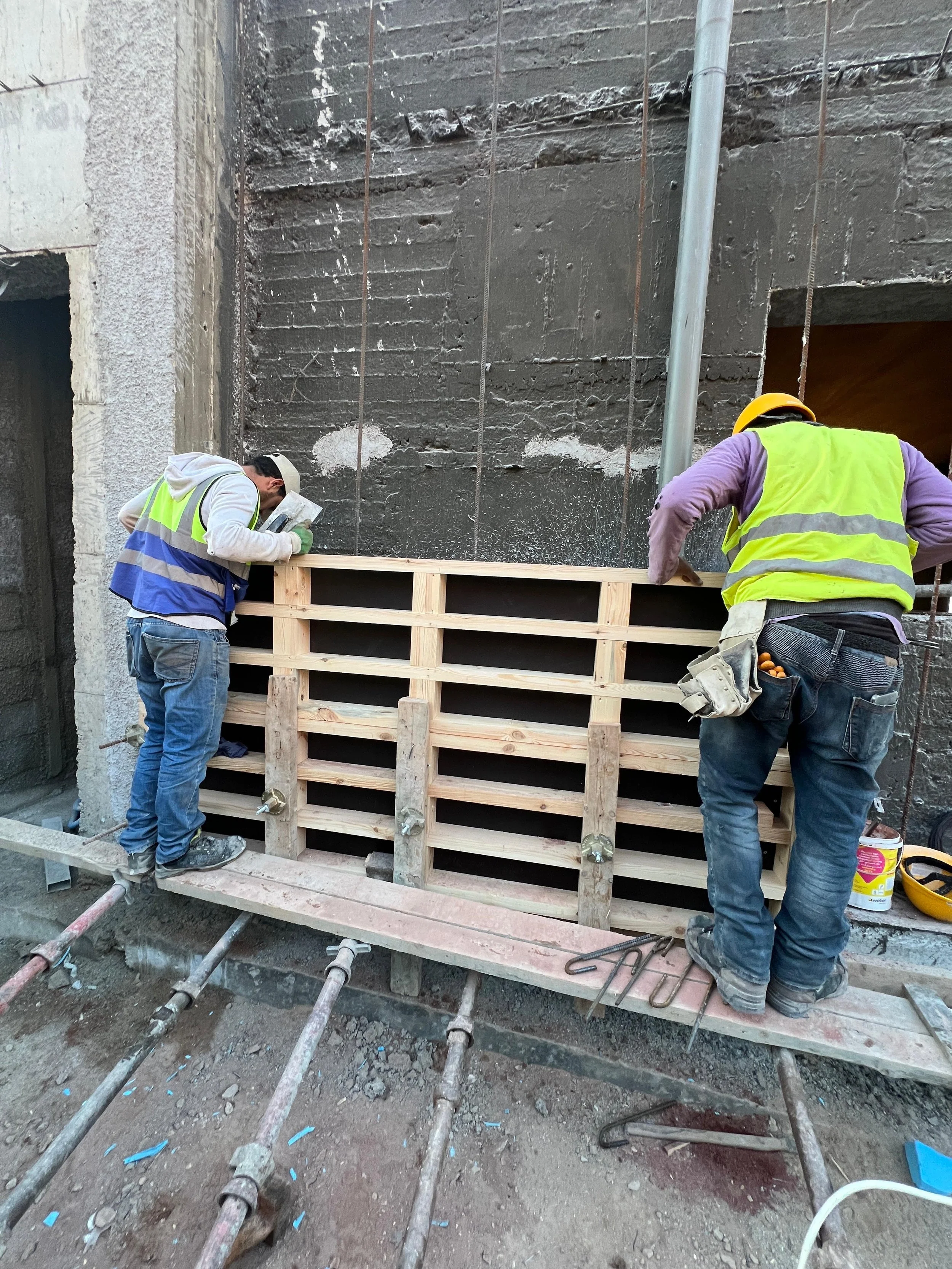
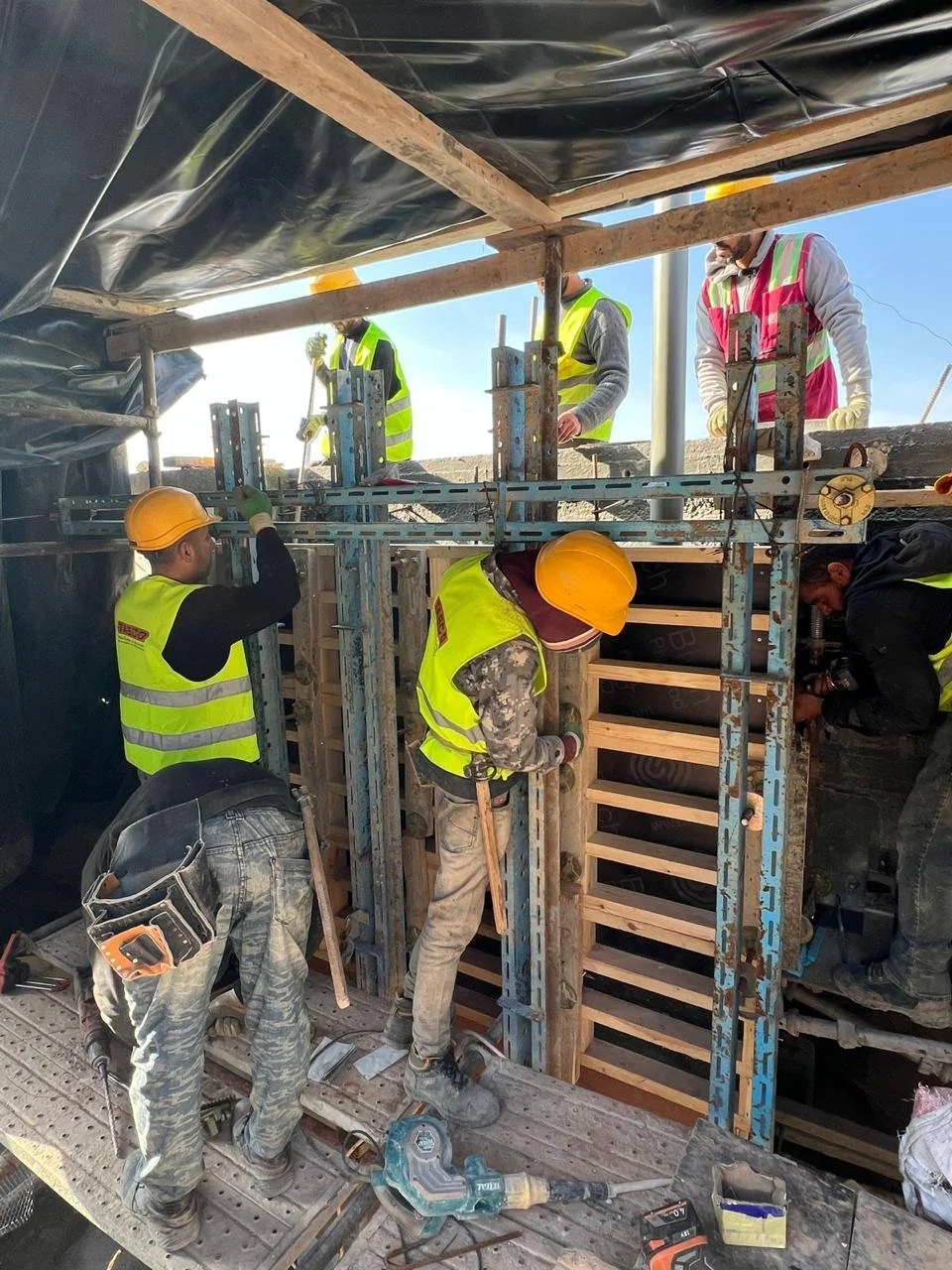
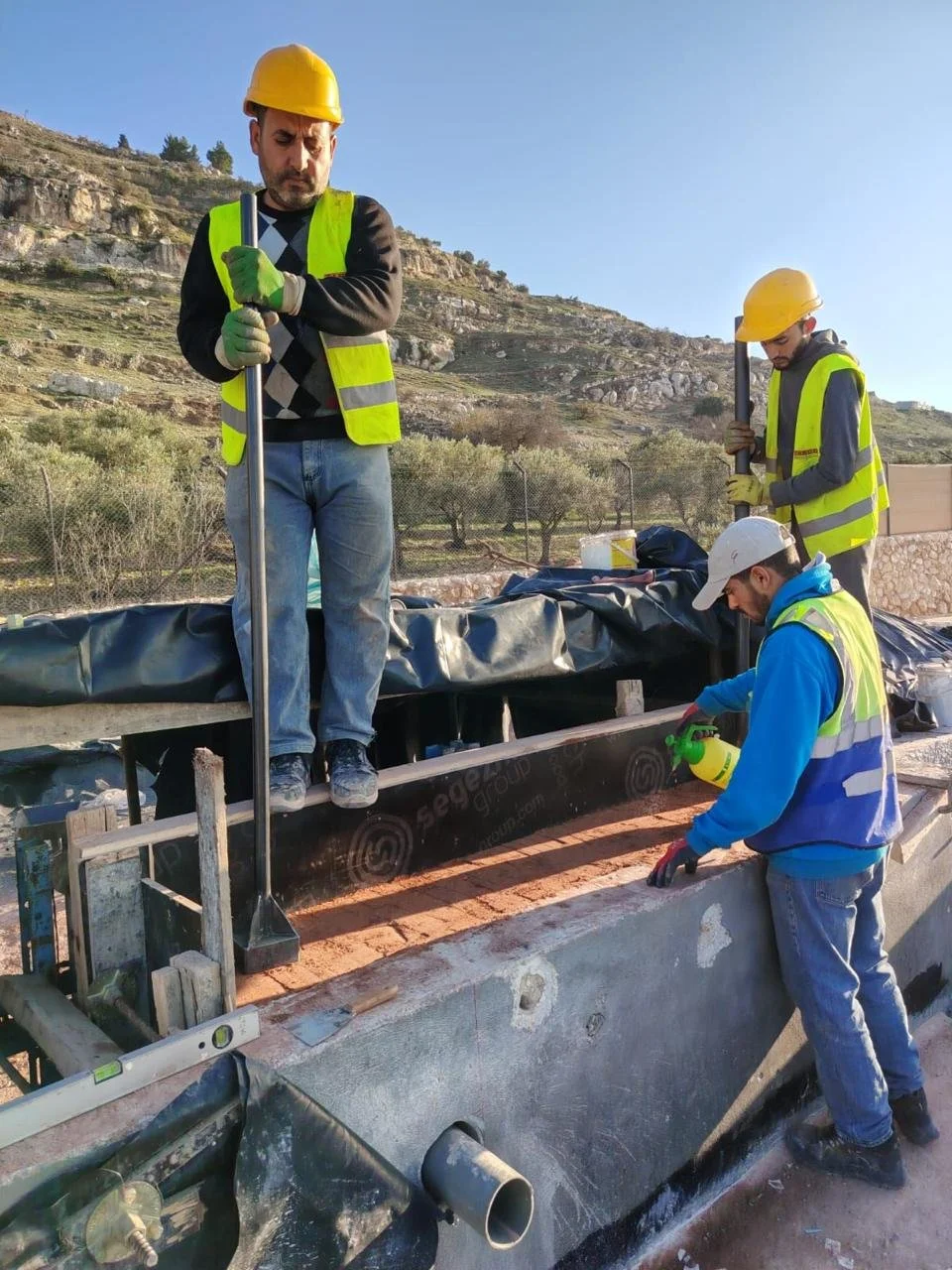
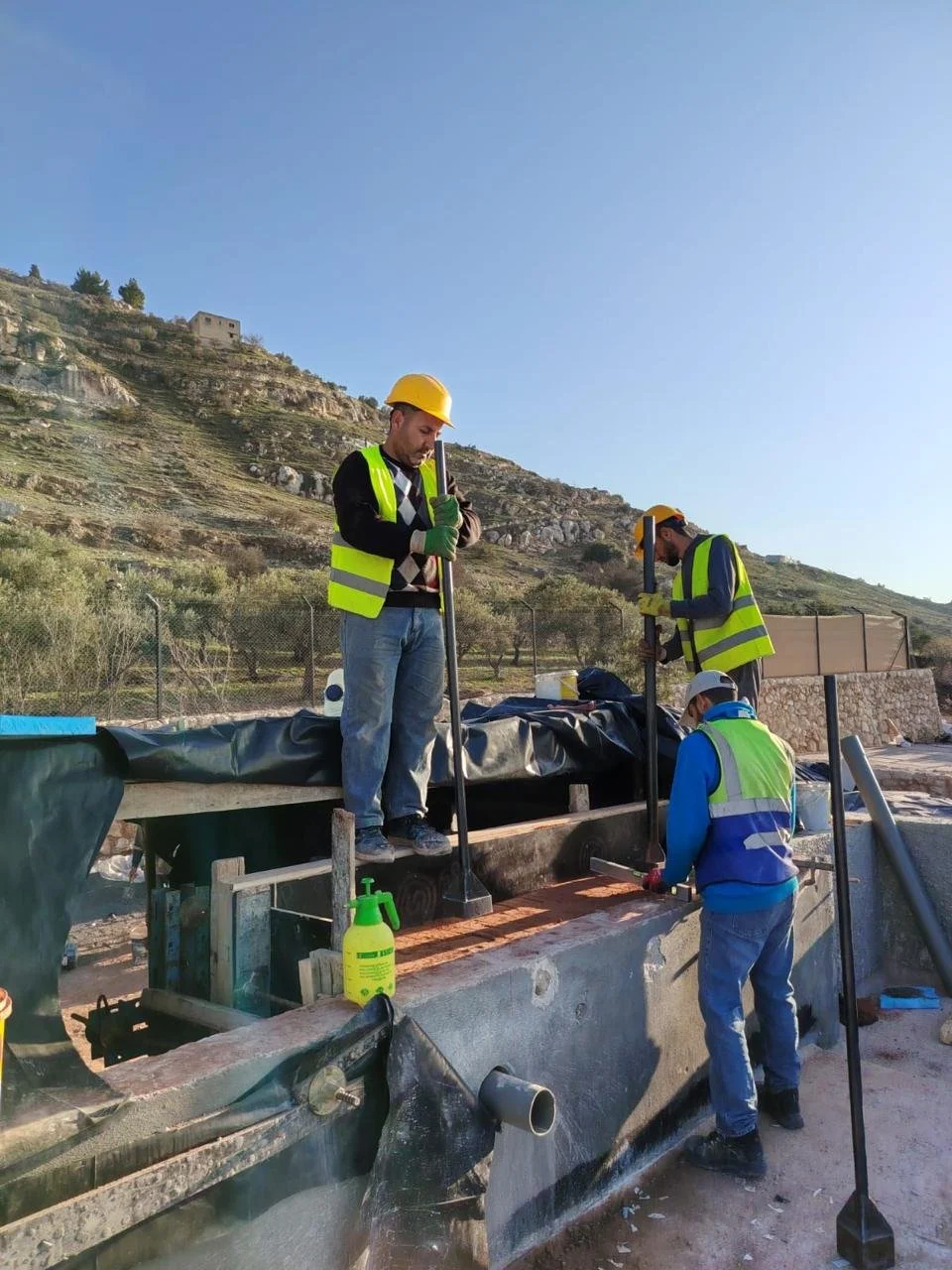
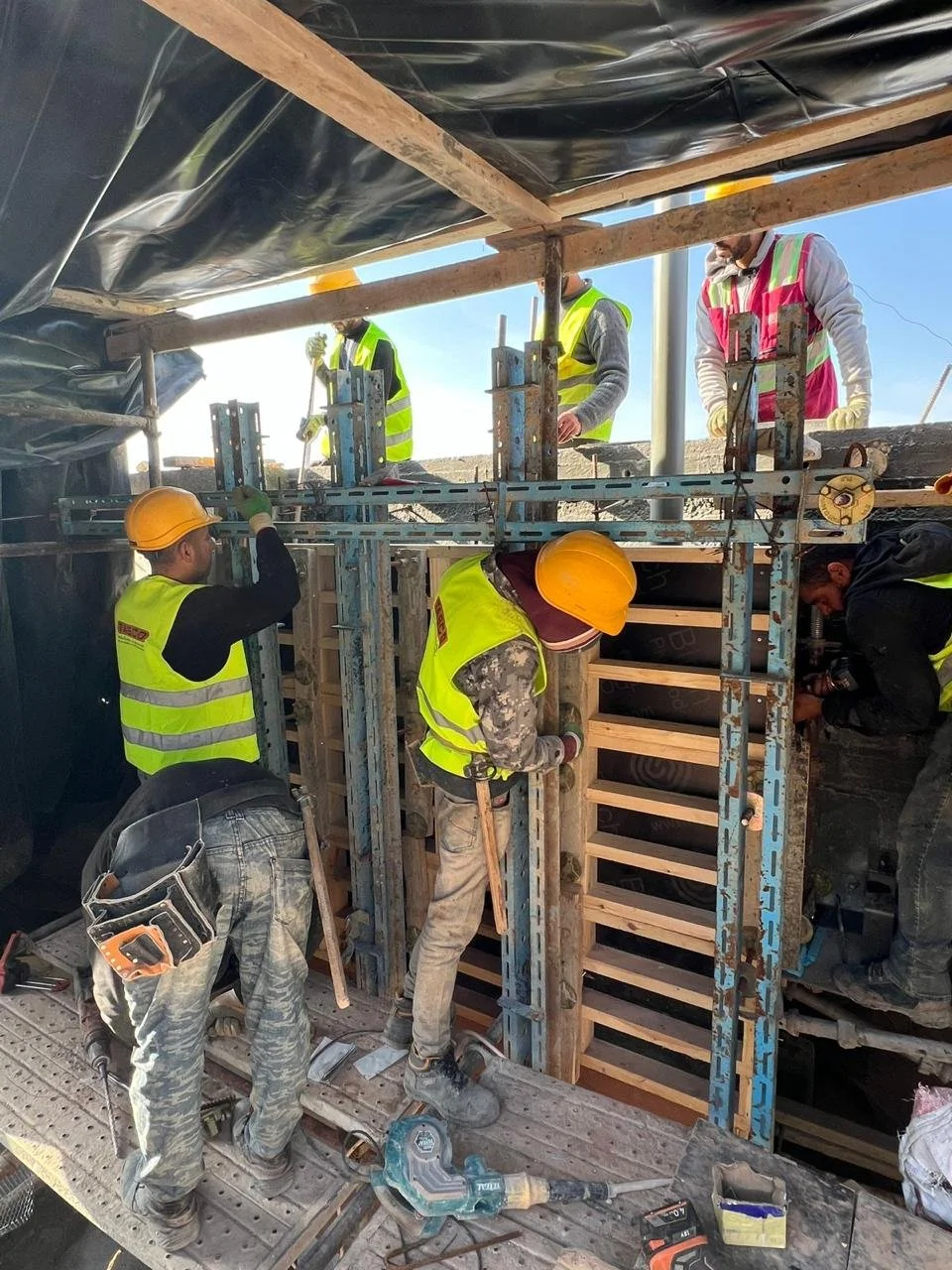
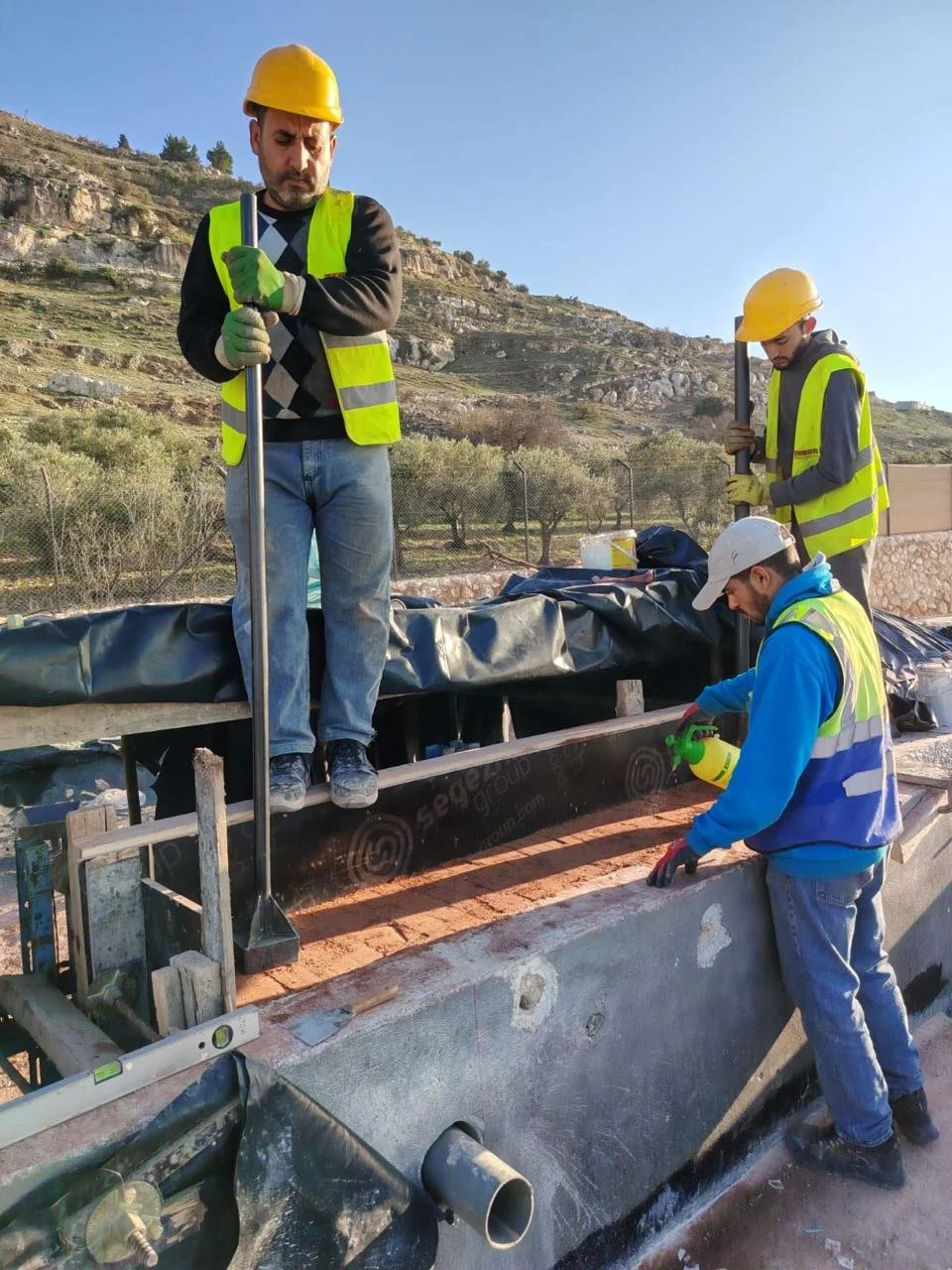
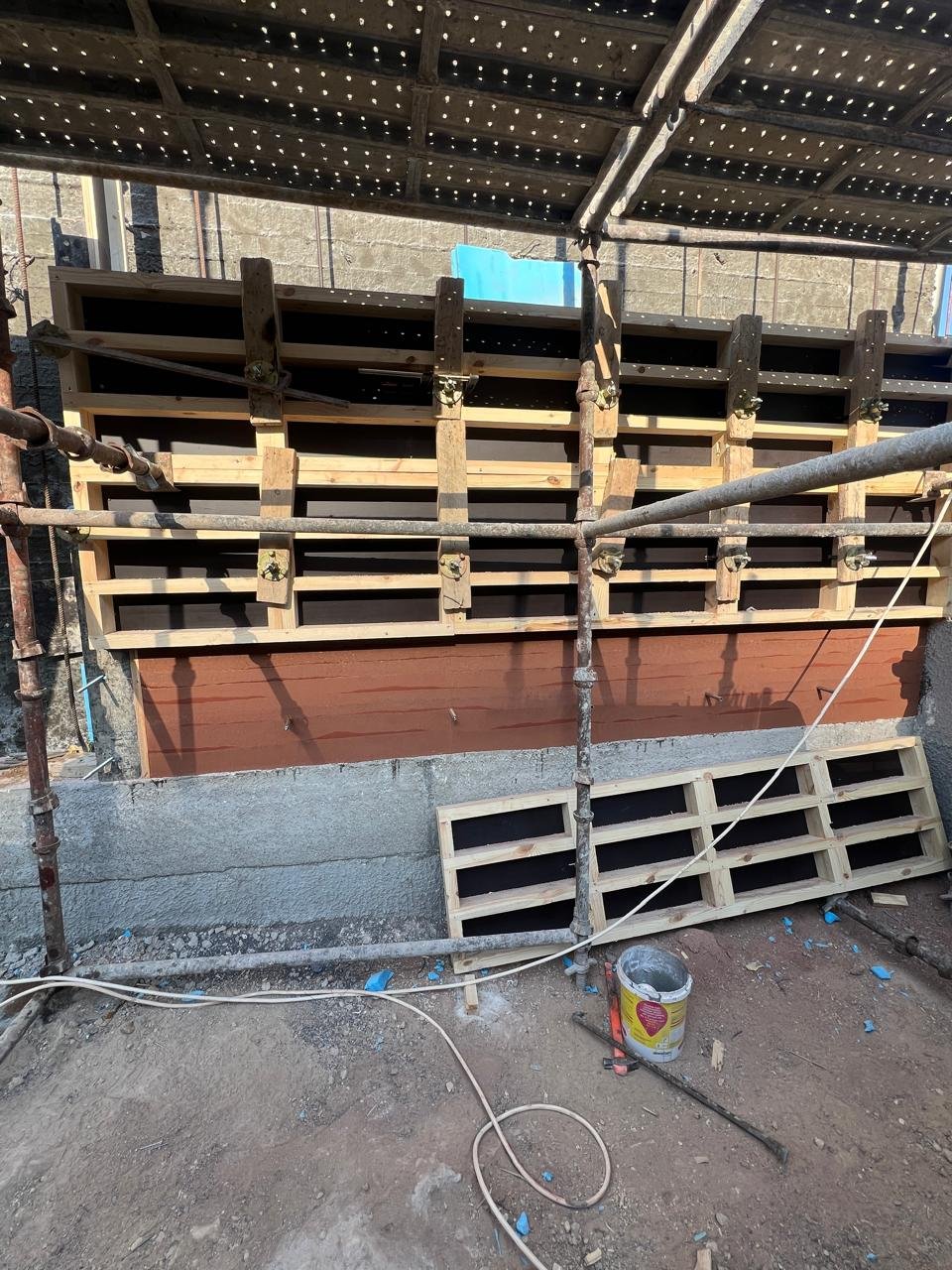
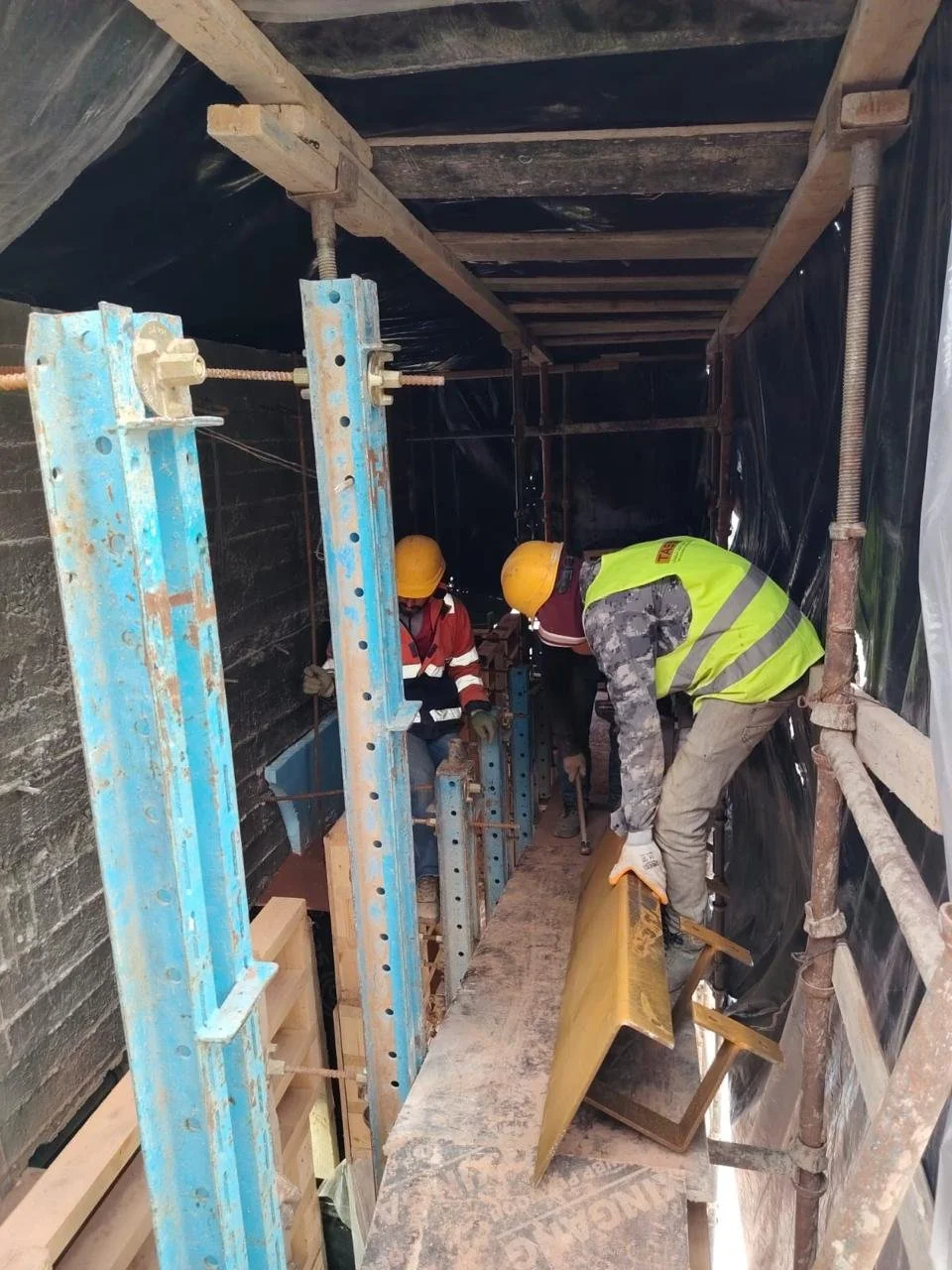
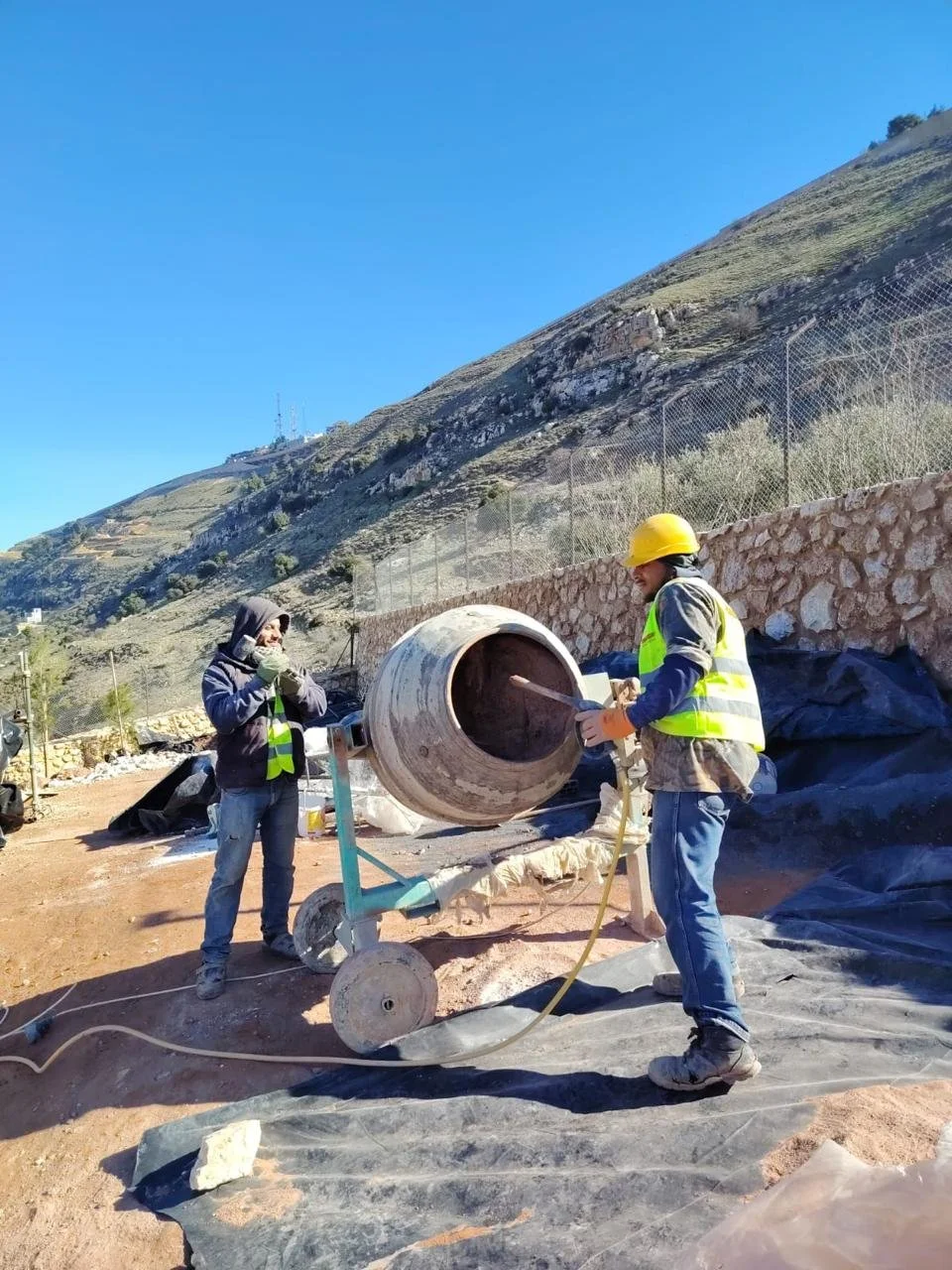
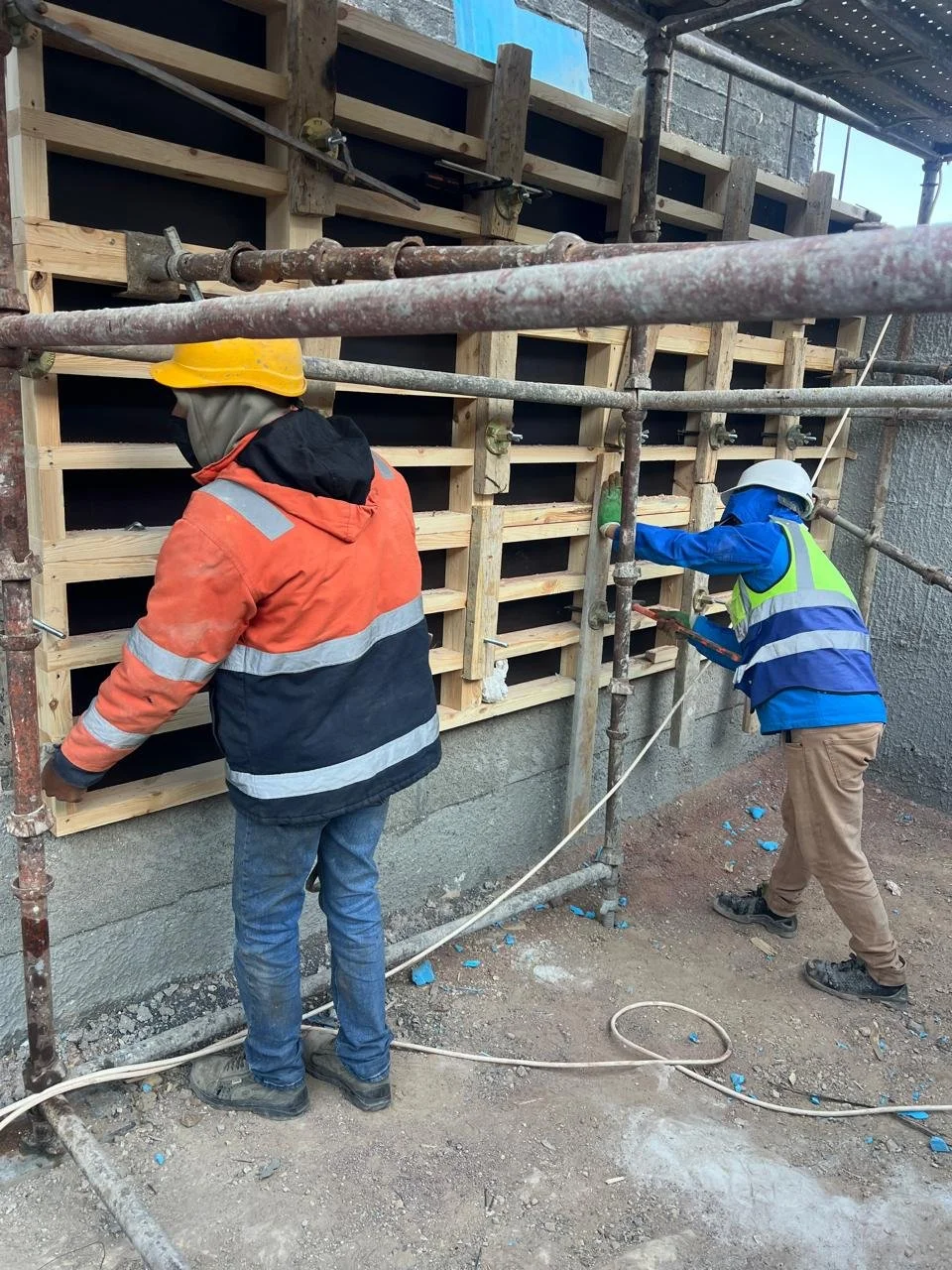
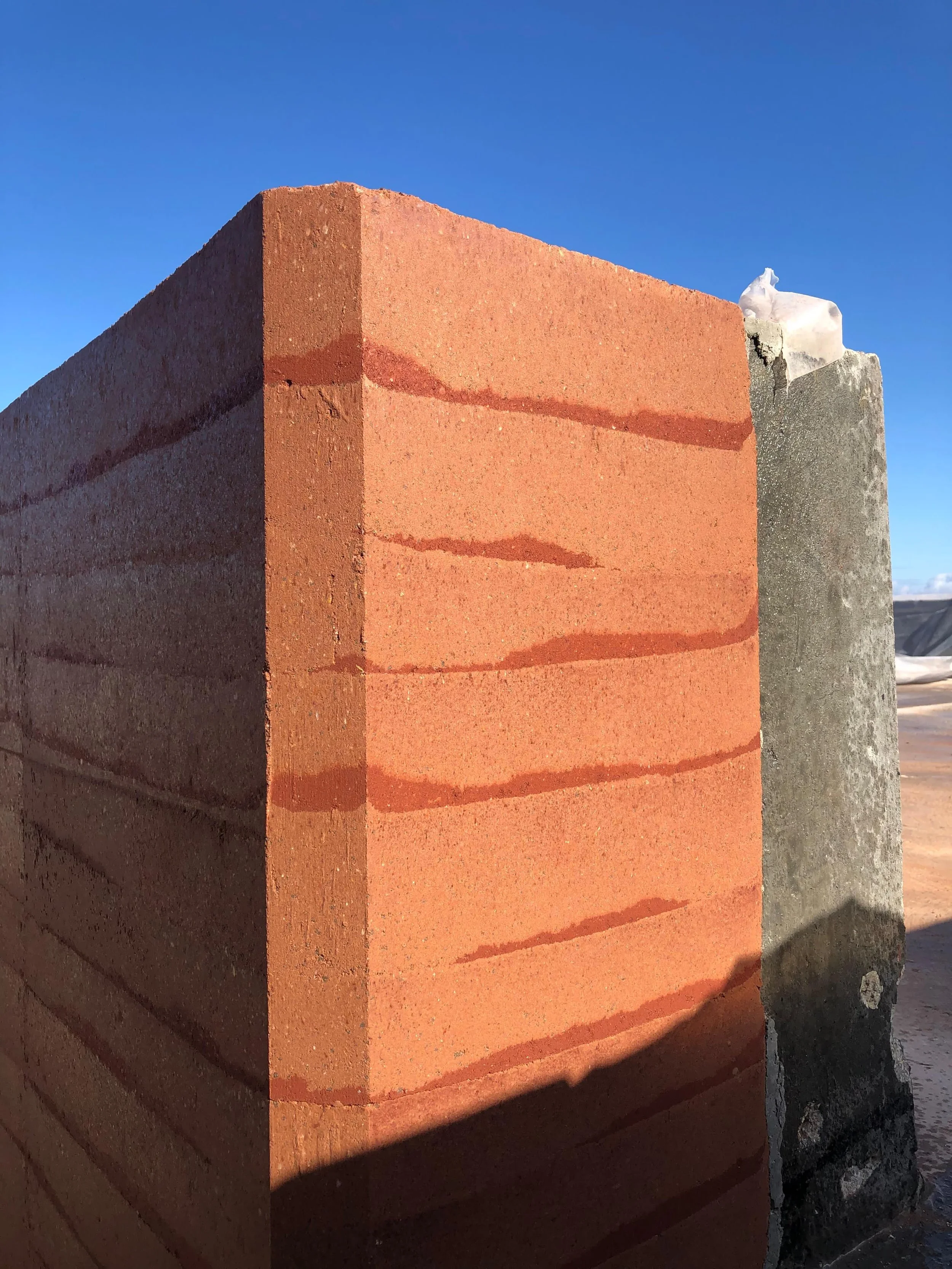
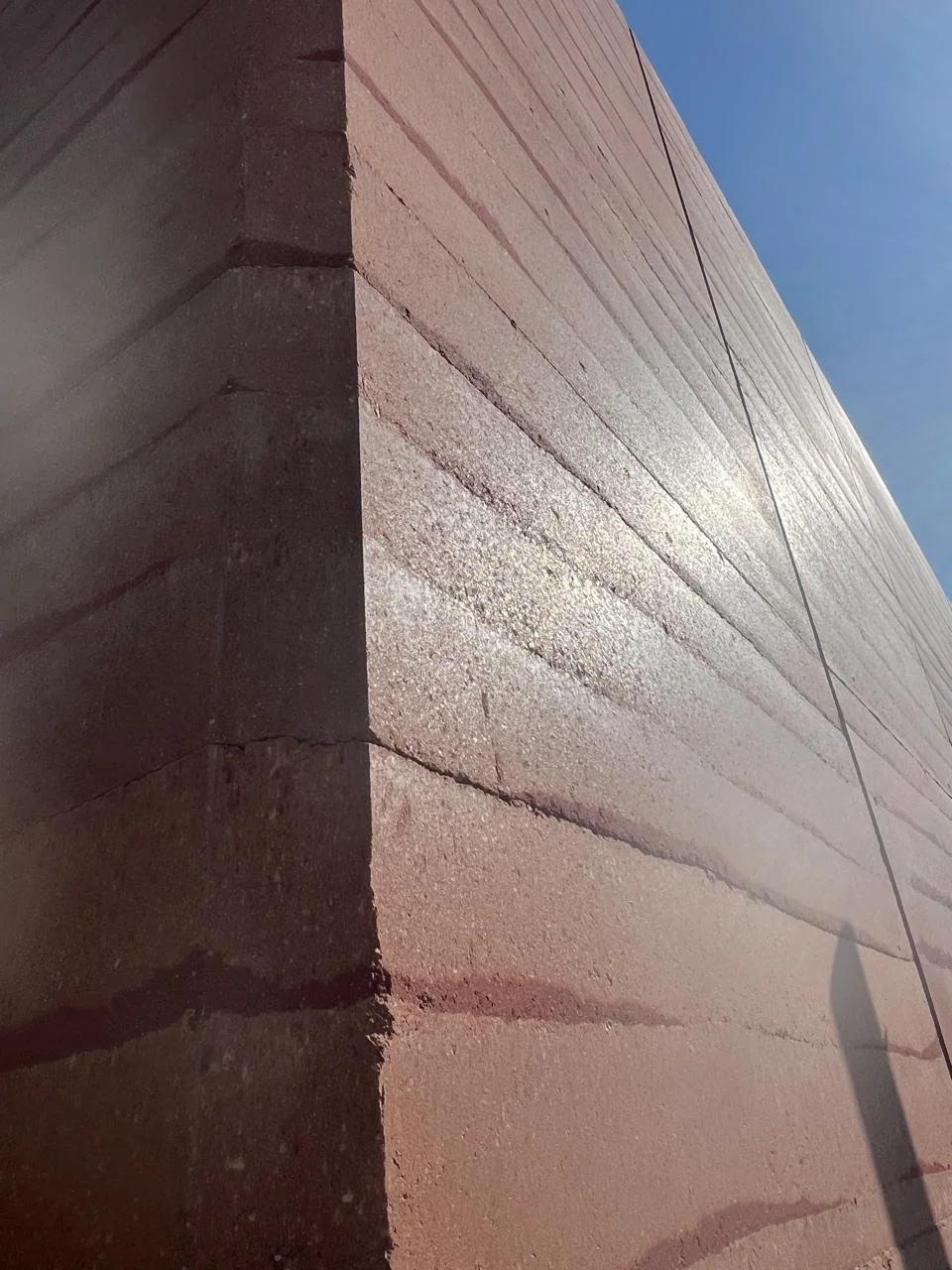
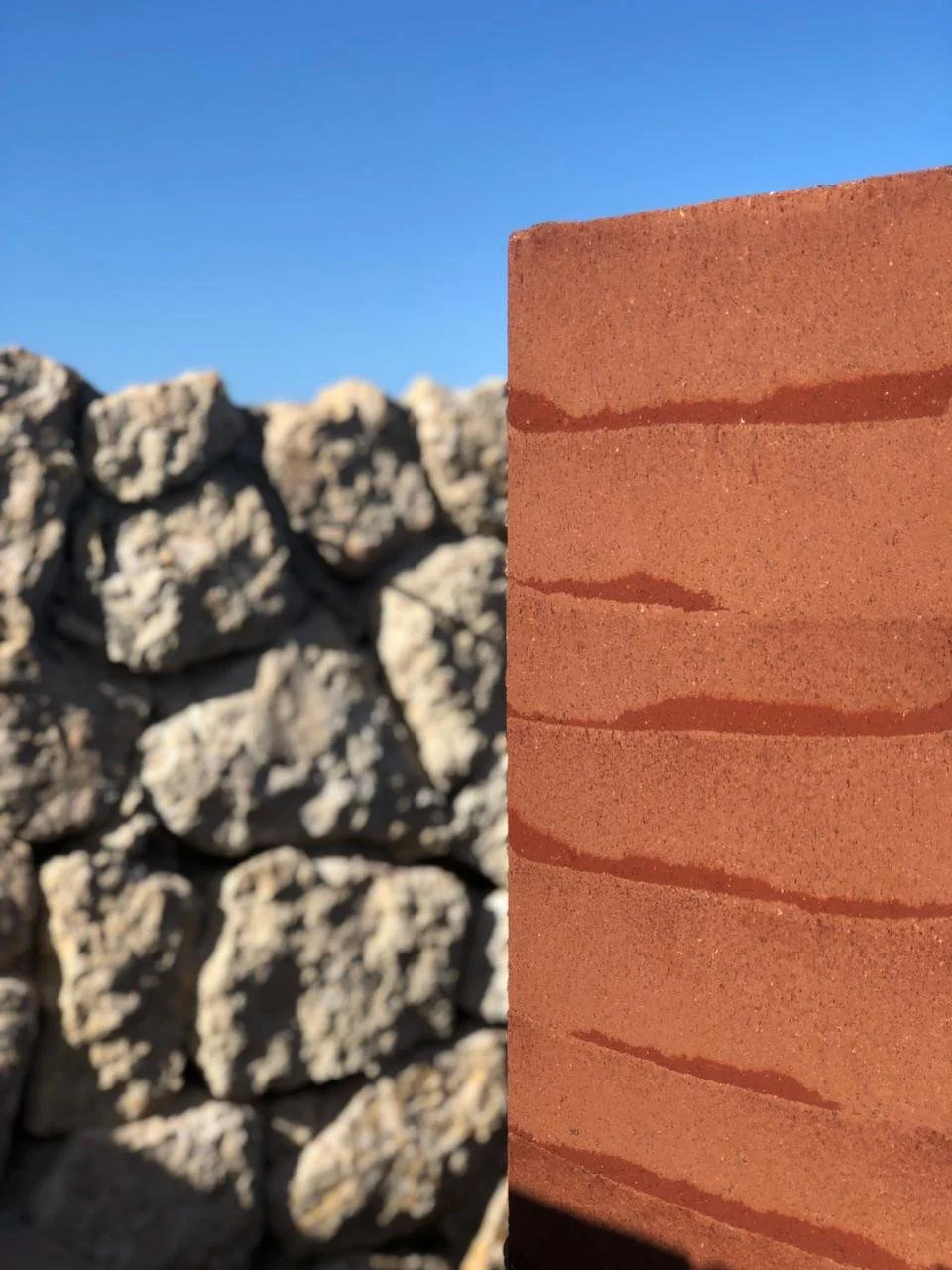
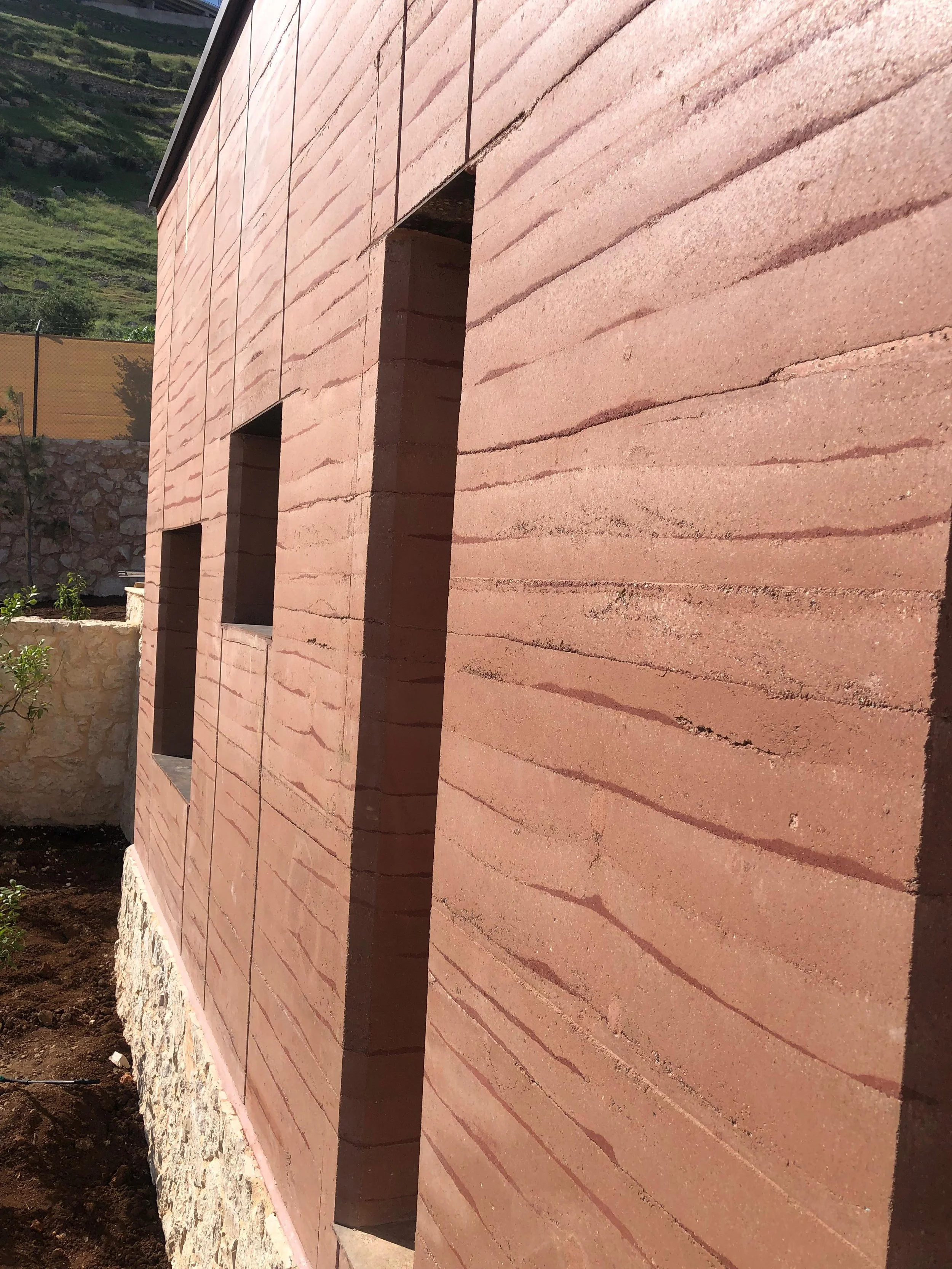
Erth for Earth Architecture and Heritage Studies led the earthen construction scope, guiding the full implementation of rammed earth from early-stage assessment to on-site execution. The process began with soil investigation and sourcing, followed by the development of tailored mix designs responsive to local material conditions. Design input was closely aligned with the behavior and constraints of the material, ensuring both structural integrity and architectural intent.
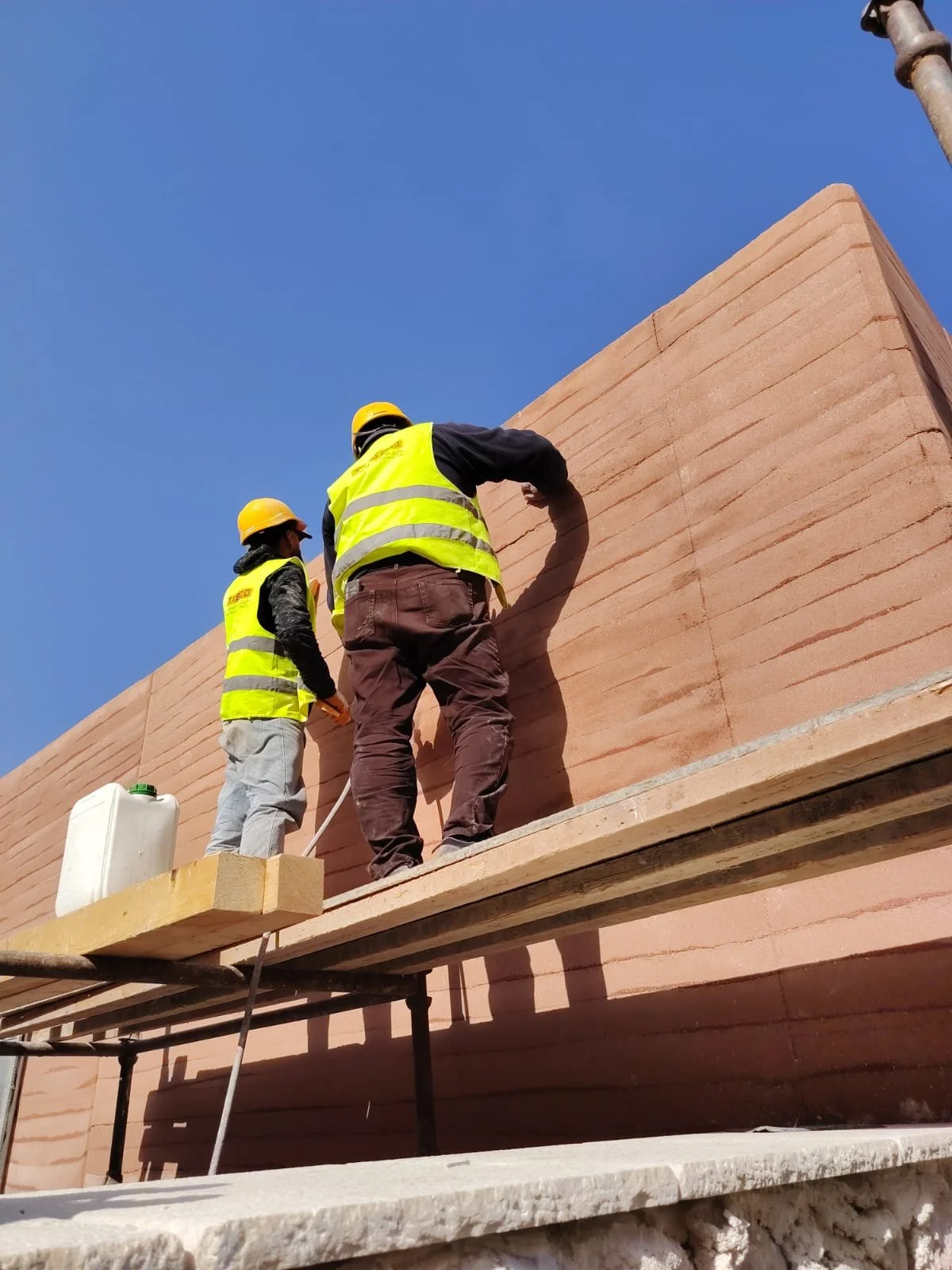
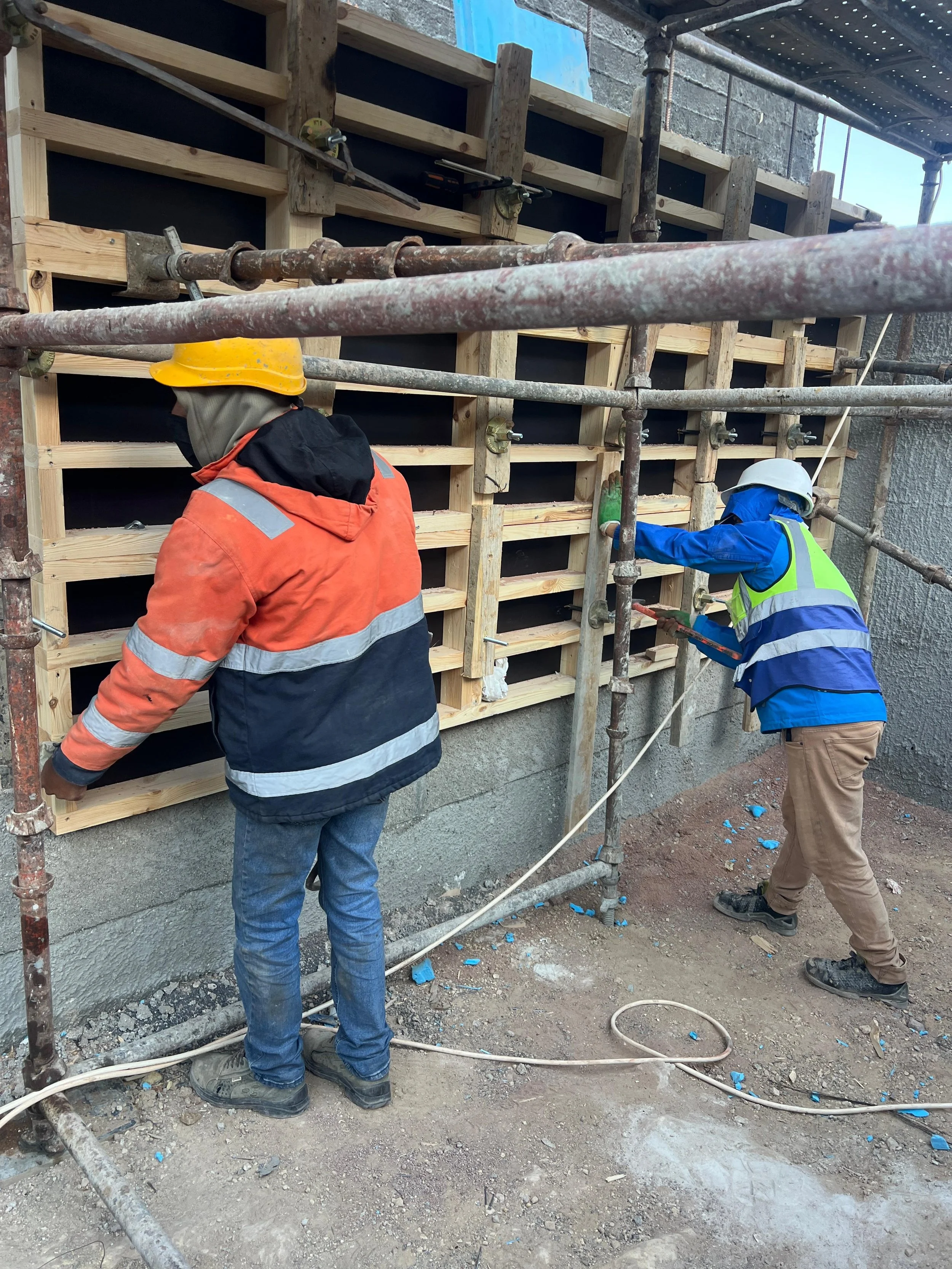
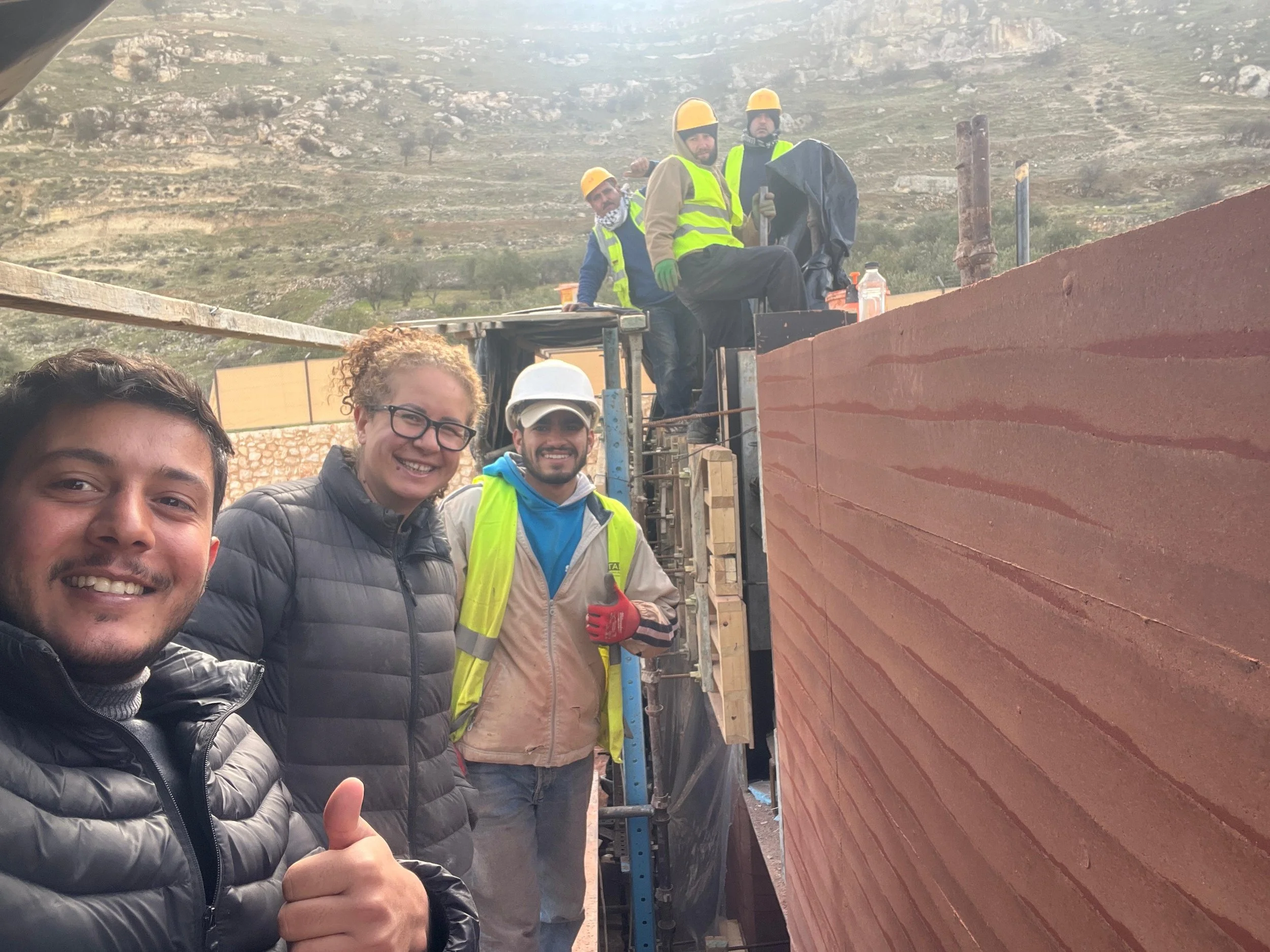
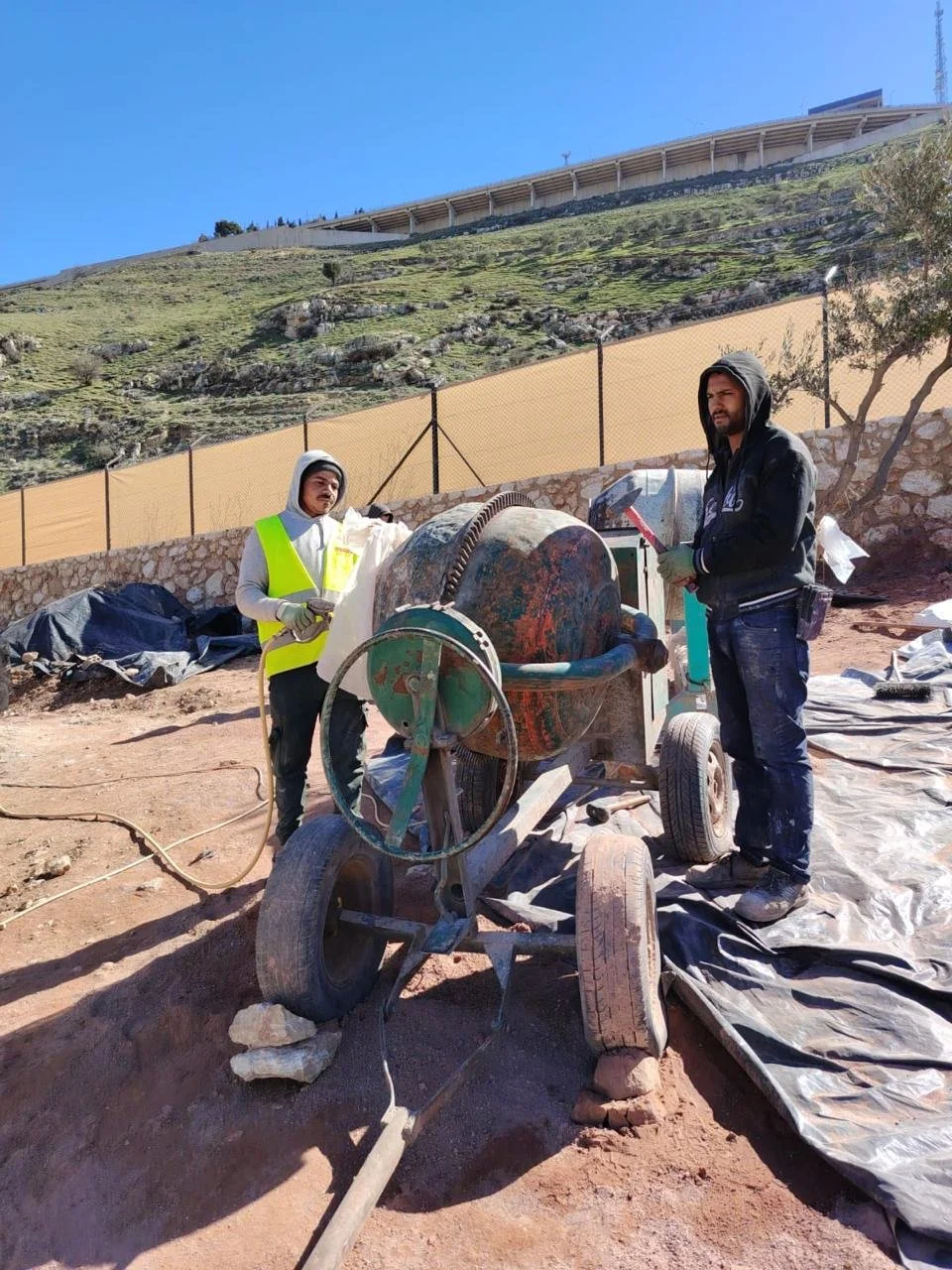
A significant component of the project was hands-on training and continuous on-site supervision. The contractor’s team was introduced to rammed earth techniques through practical engagement, with daily monitoring to ensure consistency, quality, and proper execution. This approach positioned construction not only as a building process, but as a platform for knowledge transfer and skill development.
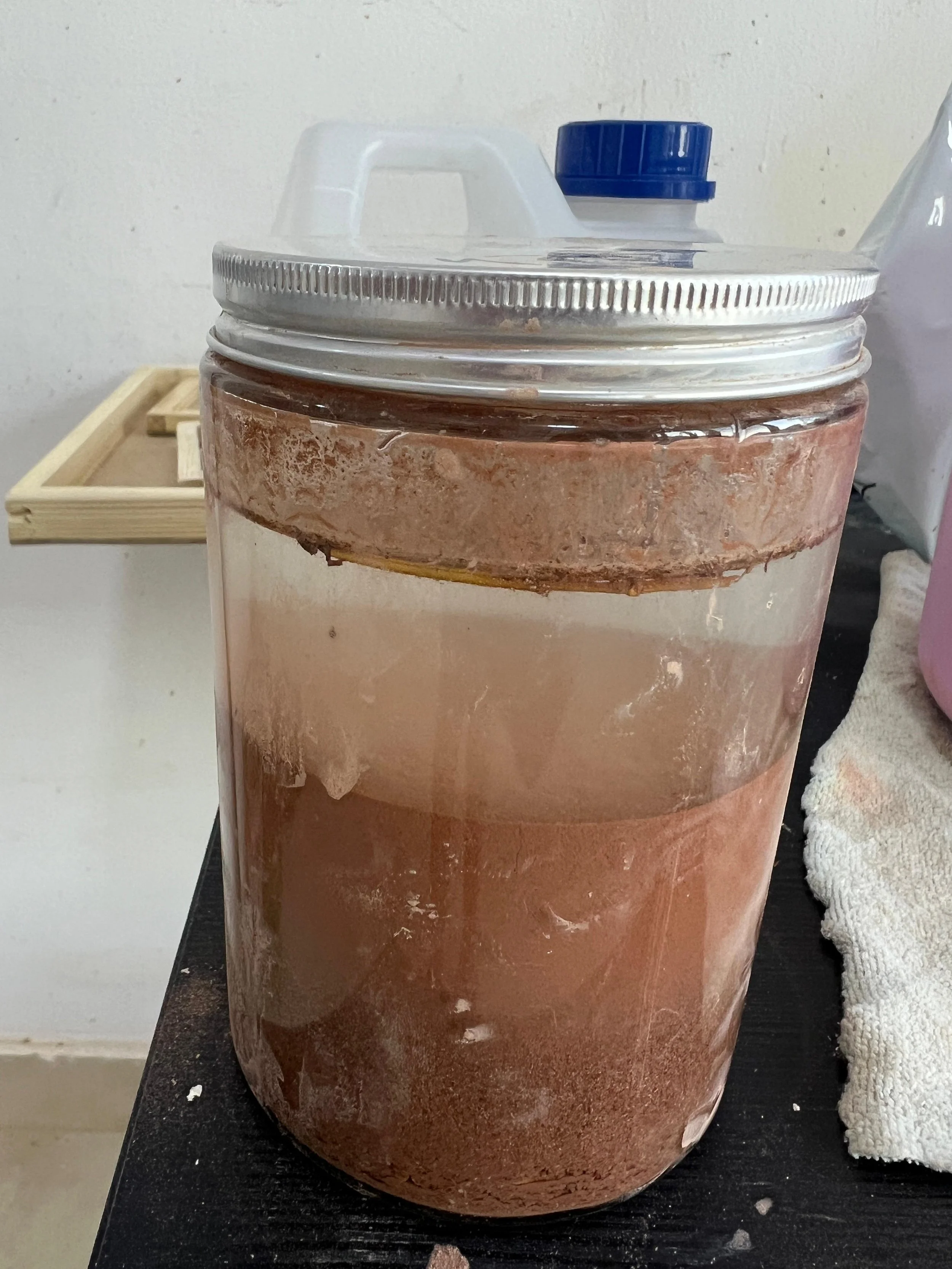
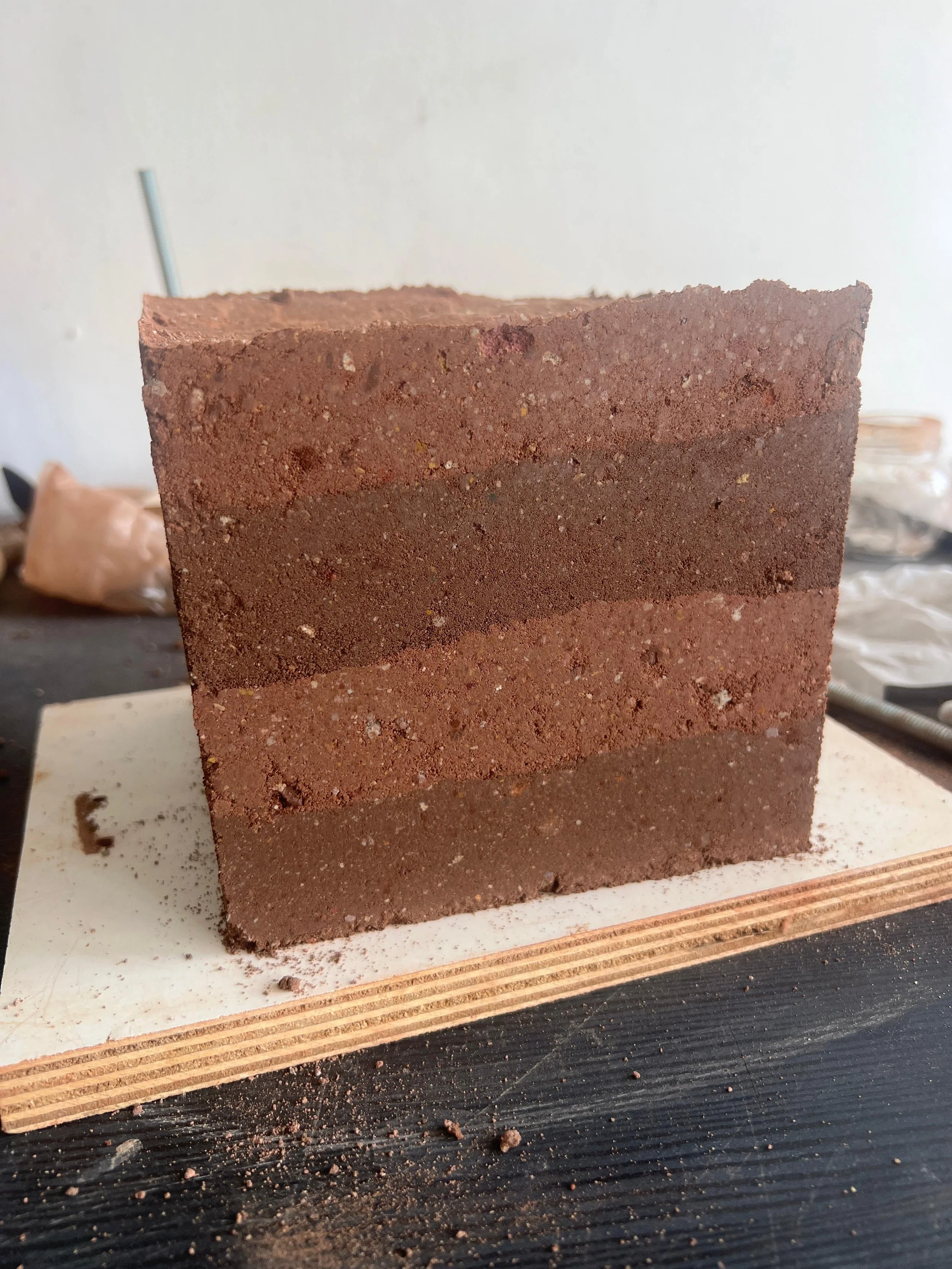
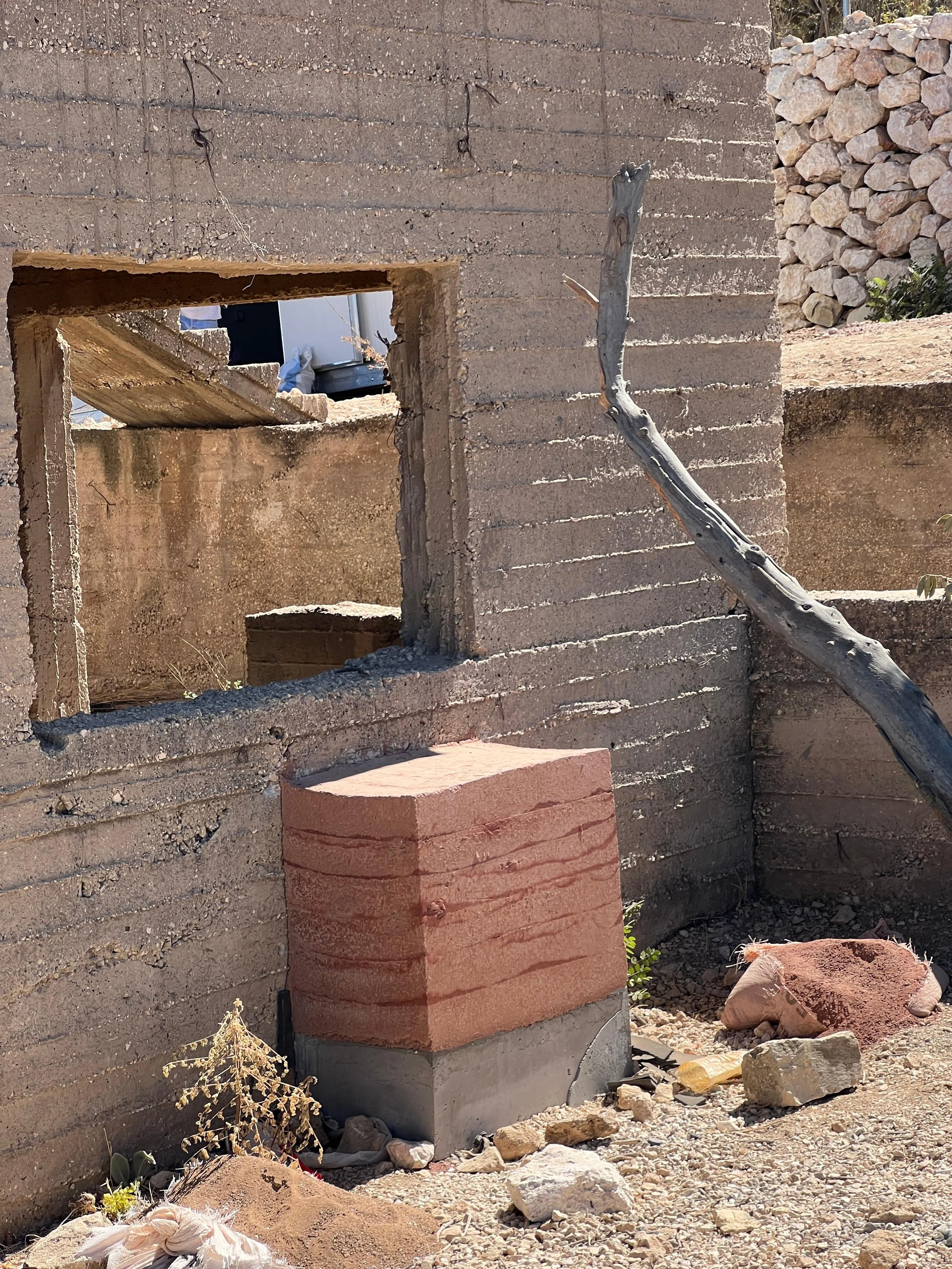
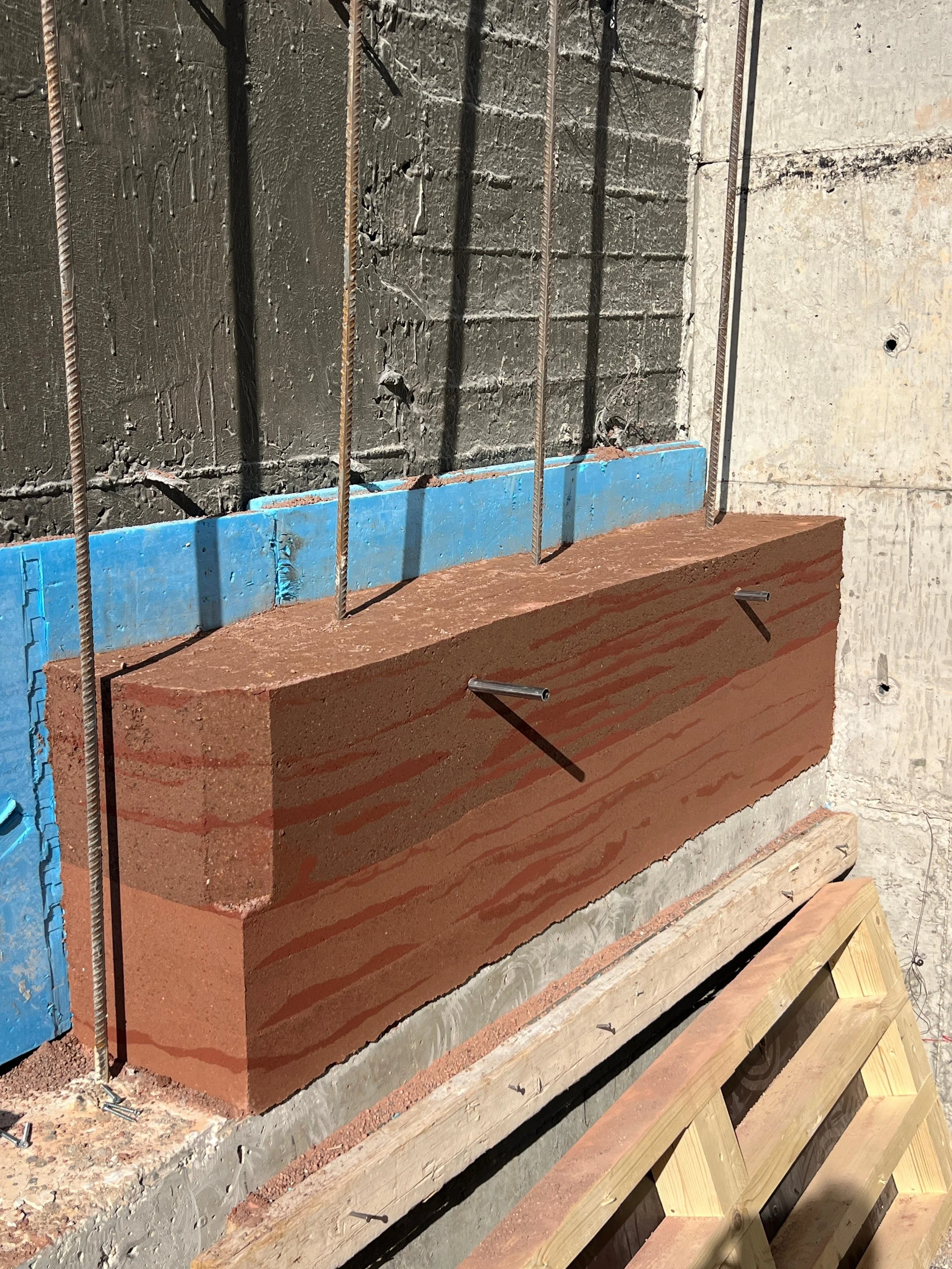
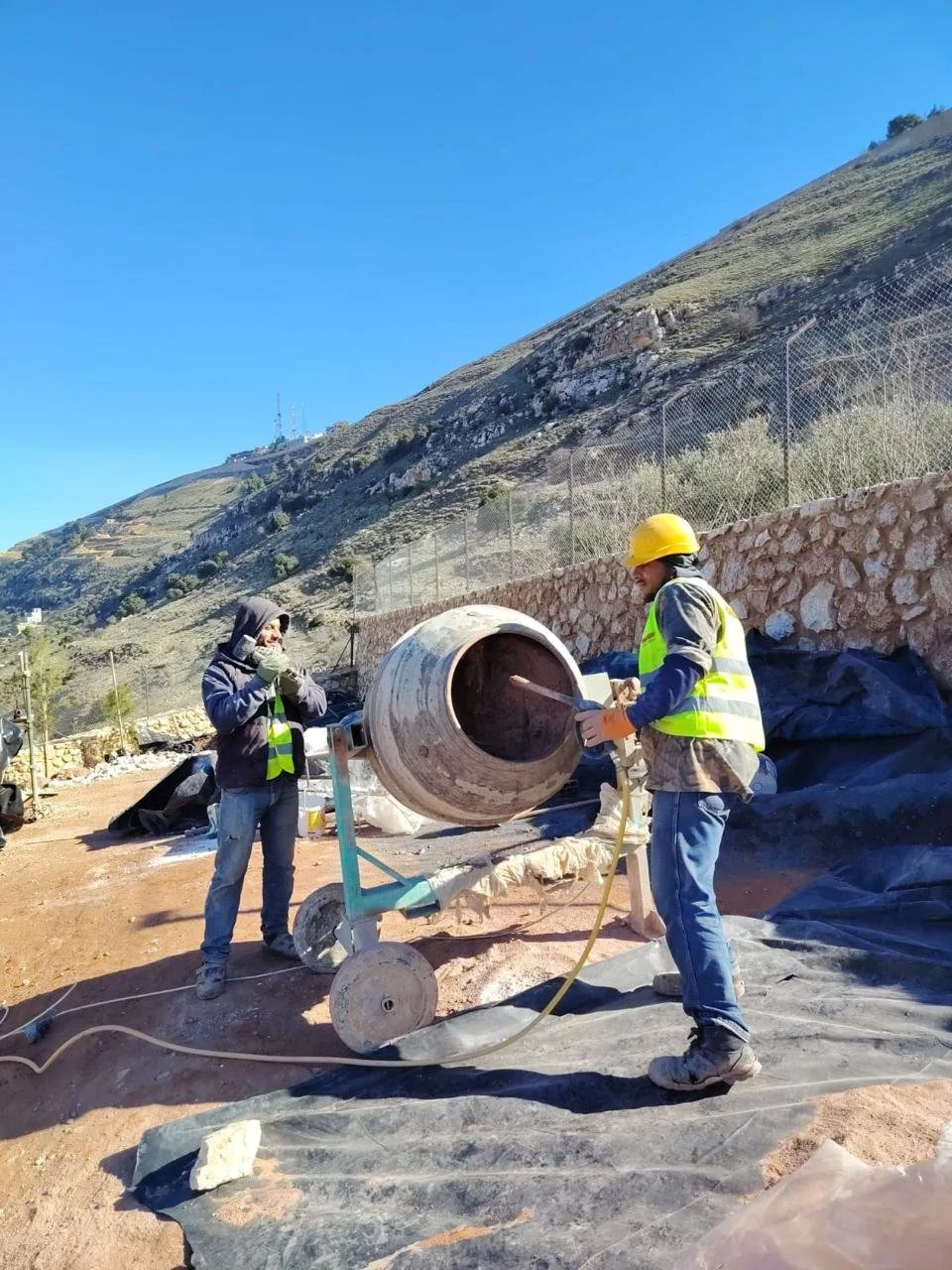
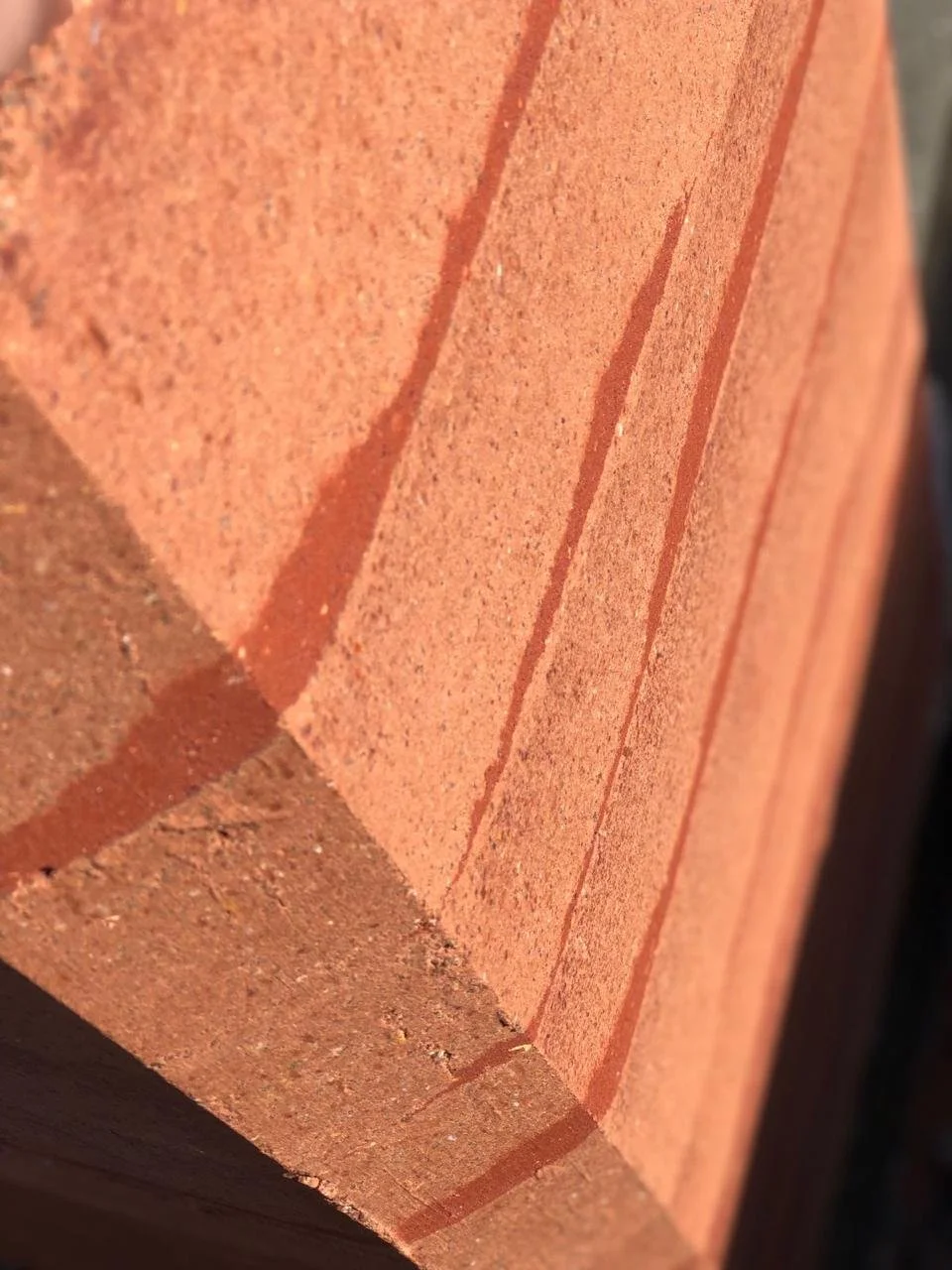
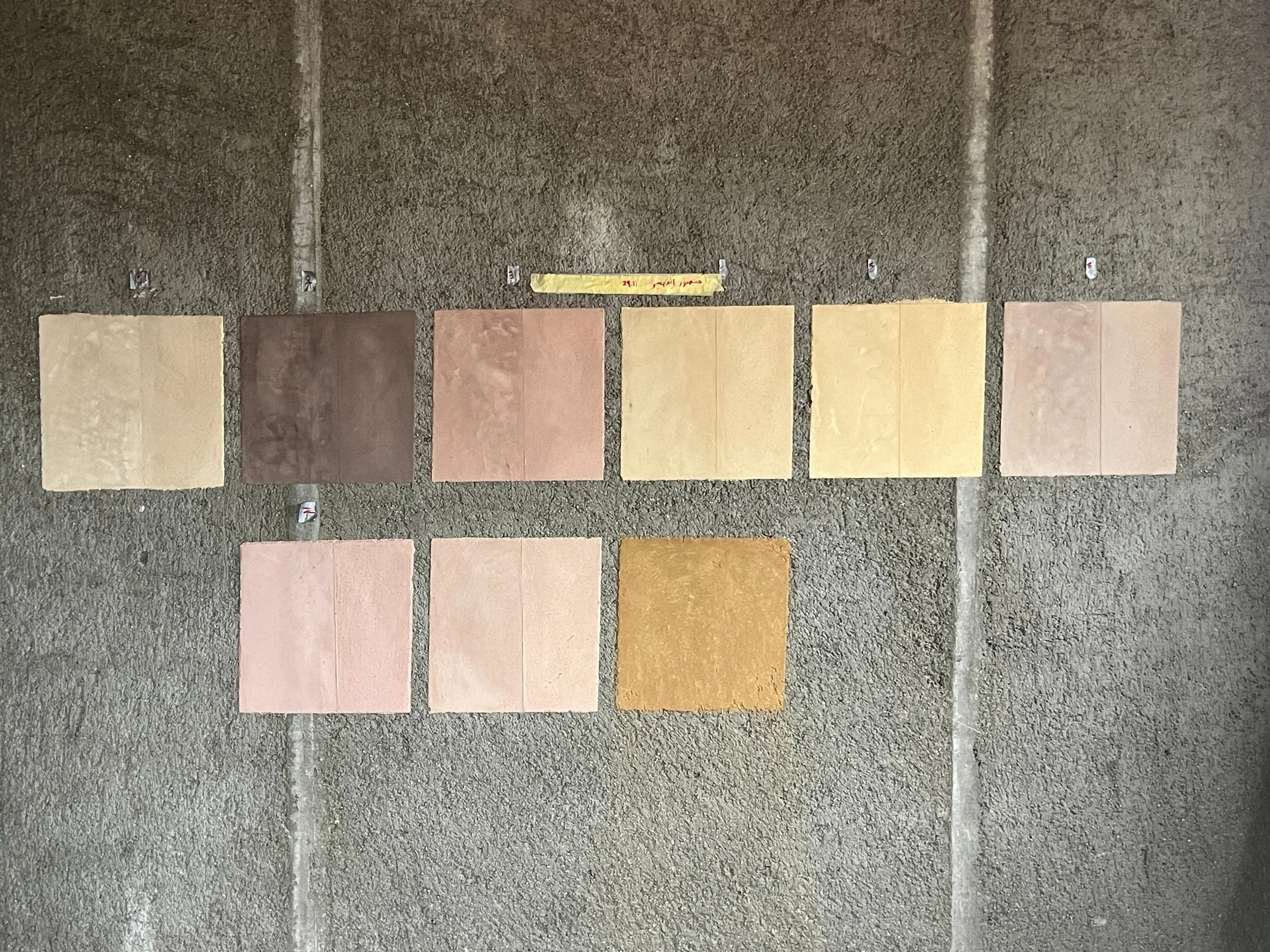
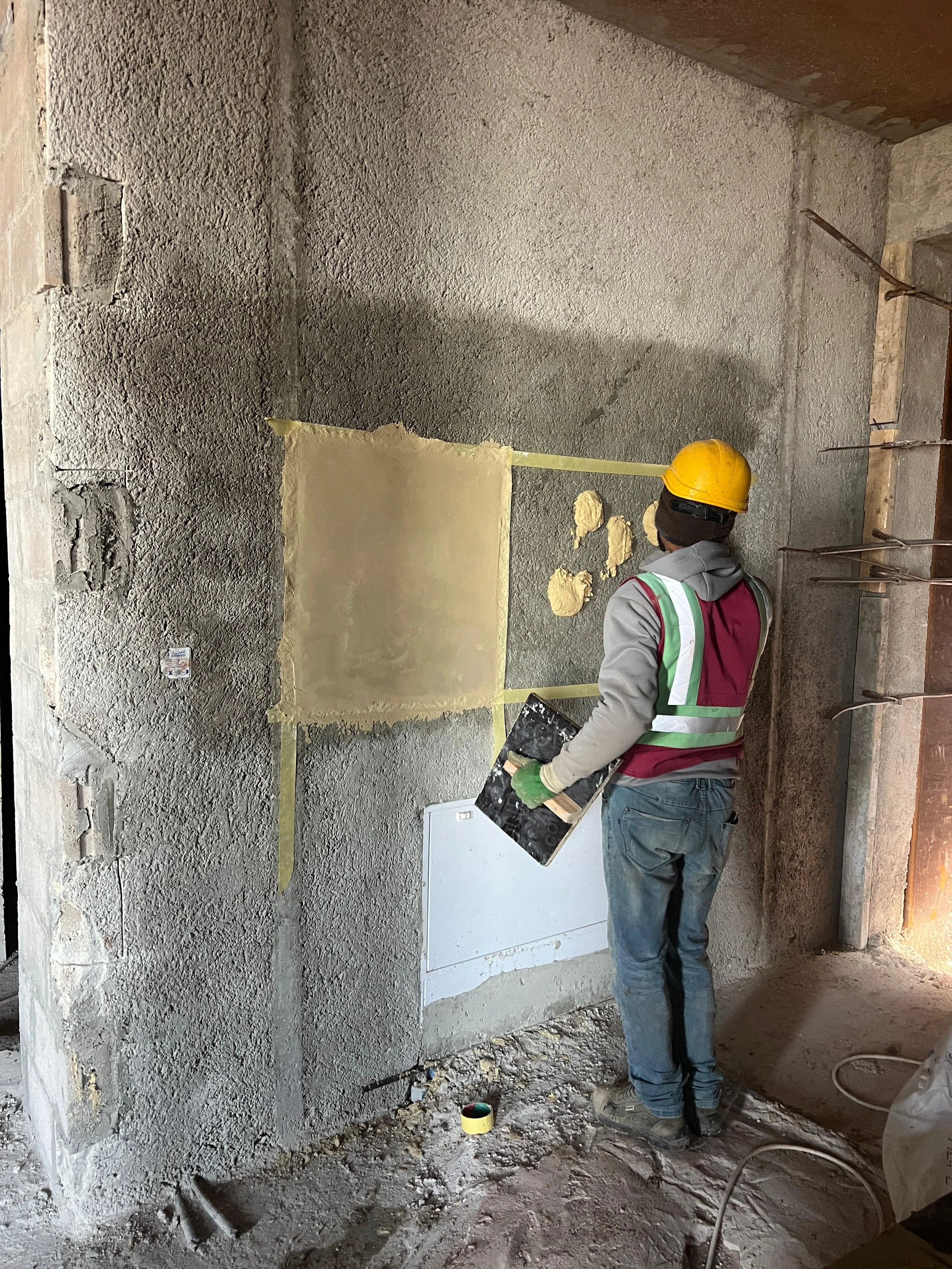
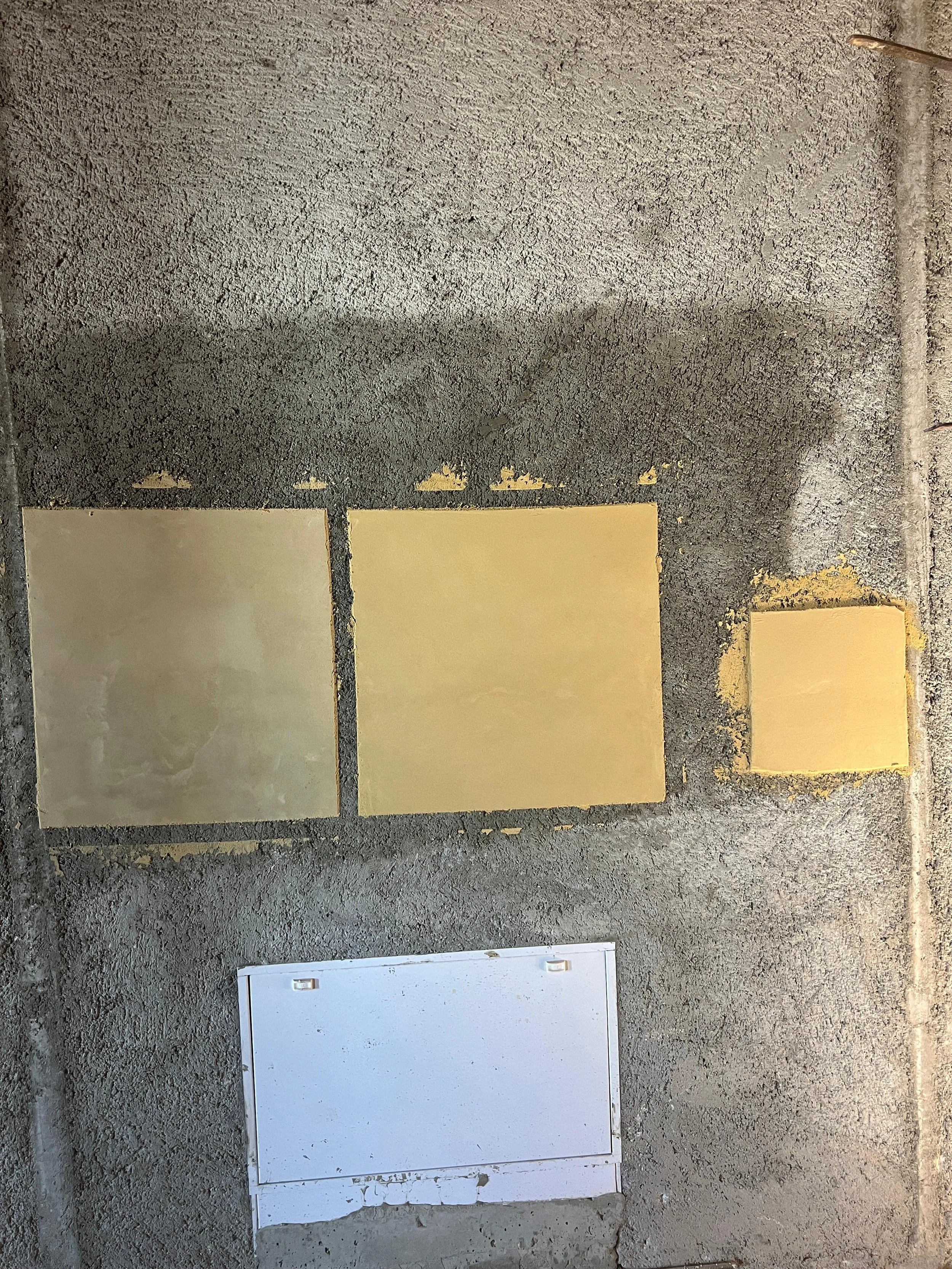
Material performance and visual expression were achieved through an extensive program of field testing. Multiple trials were conducted at different scales—from small sample blocks to full mock-ups—to evaluate soil composition, compaction behavior, moisture content, and layer bonding. These iterative tests informed both technical decisions and aesthetic outcomes, including surface texture and natural color gradation. Through this process, raw soil was transformed into a controlled and expressive construction system.
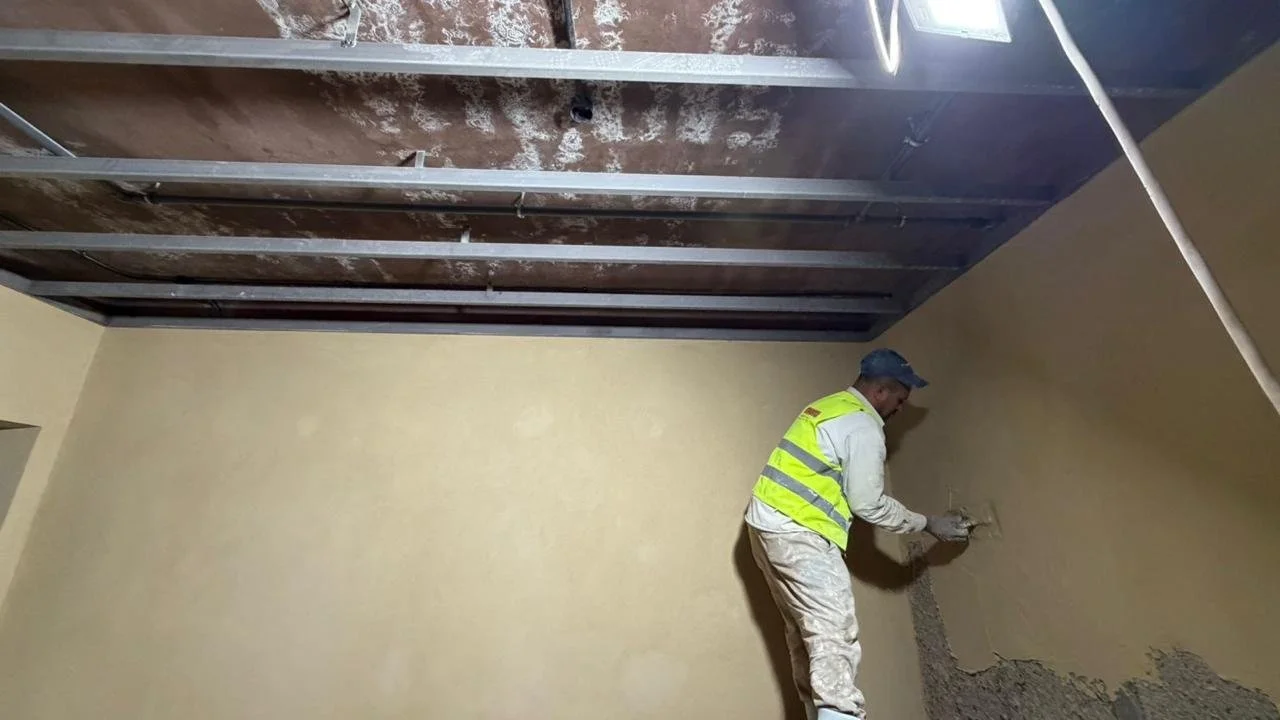
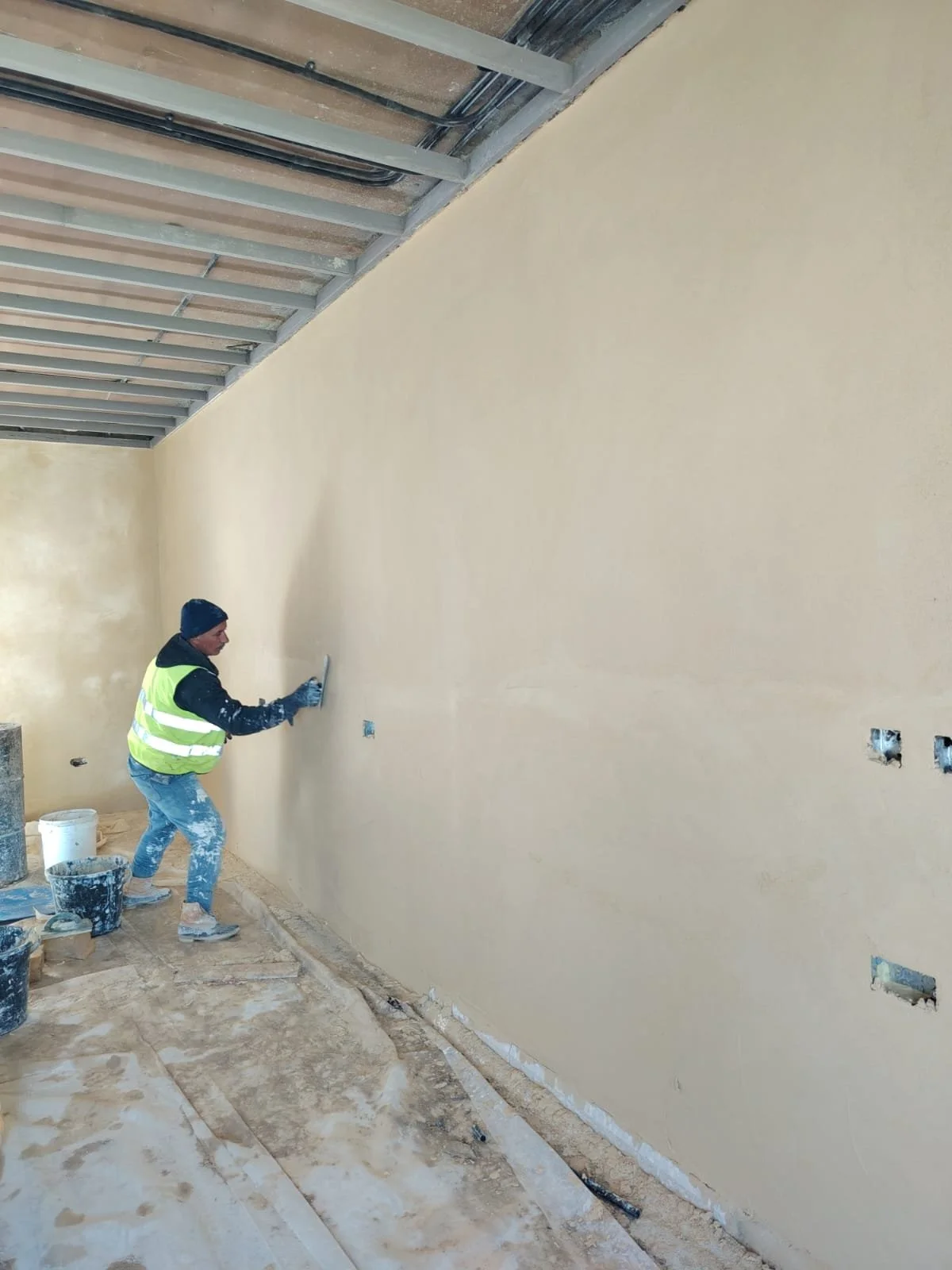
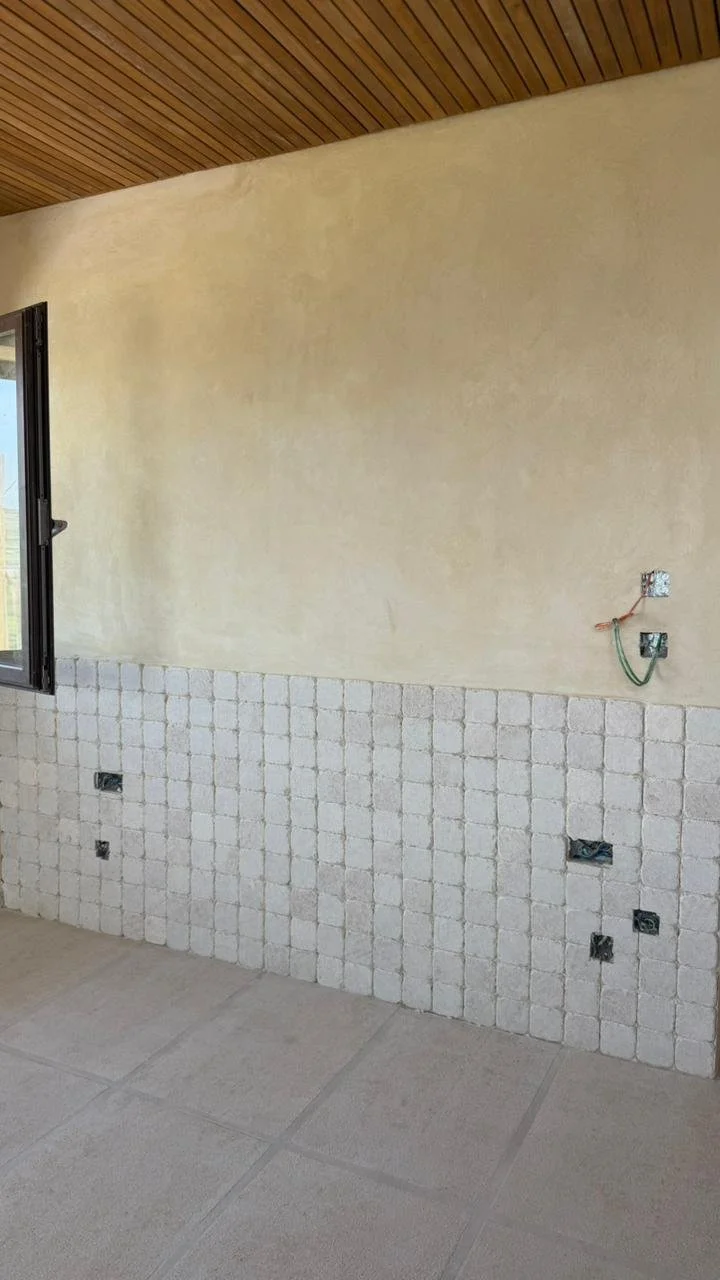
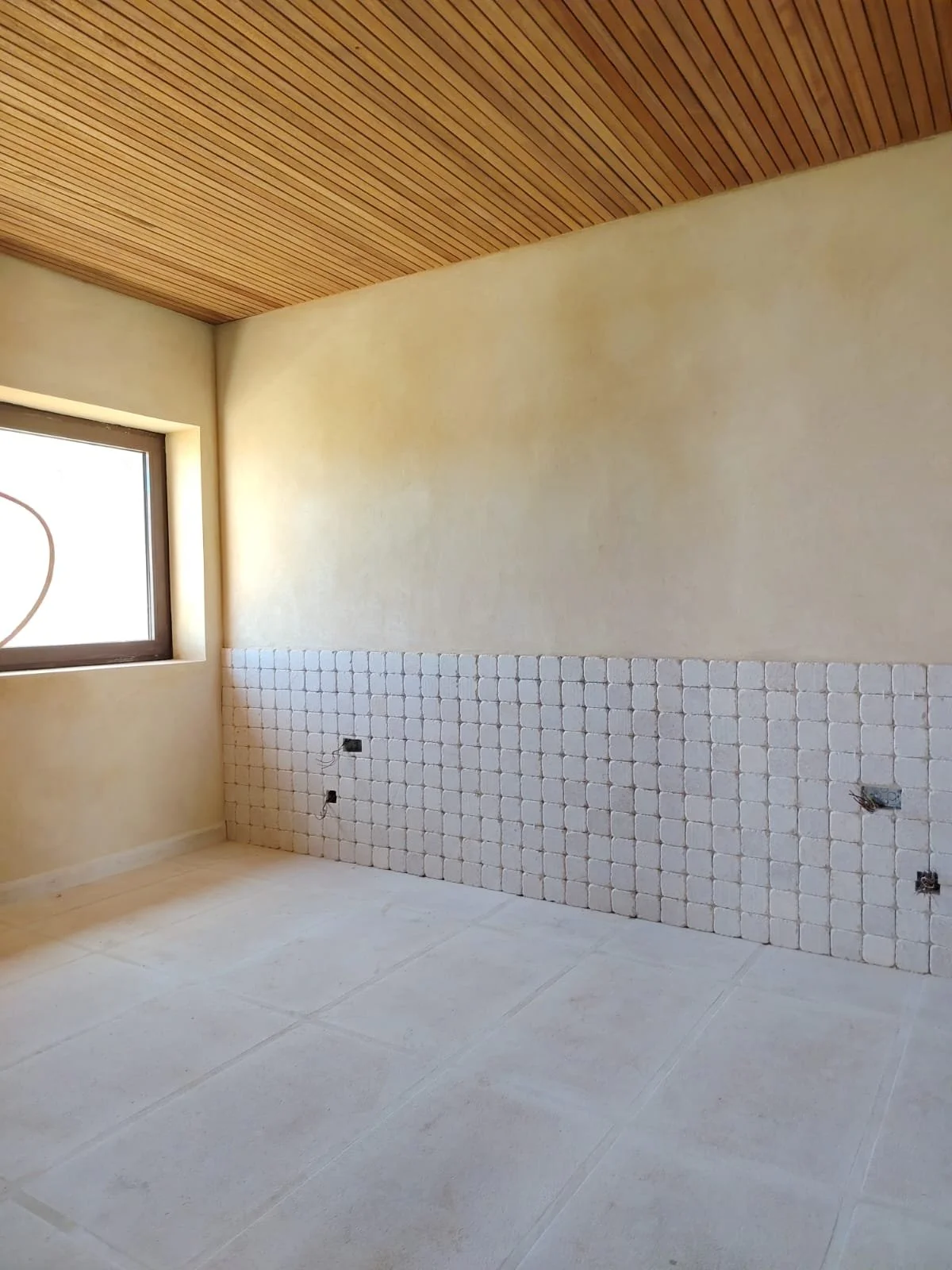
In parallel, the project reintroduced hydrated lime plaster as a complementary finishing material. Deeply rooted in regional building traditions dating back to the Roman and Byzantine periods, lime was historically used in mortars and plasters across both earthen and stone structures. Its application in this project reflects both its technical advantages—breathability, low environmental impact, and absence of harmful VOCs—and its cultural continuity within the local construction heritage.
This project was realized through close collaboration between designers, contractors, and craftsmen, demonstrating that earthen architecture is not a relic of the past, but a relevant and robust approach for contemporary building. By reconnecting material, place, and knowledge, the project contributes to re-establishing confidence in locally grounded construction practices.
Project Credits
Designer: Fadaa
Contractor: Tasco (Tareq Abu Shehab Contracting)
Earthen Architecture Consultant: Erth for Earth Architecture and Heritage Studies